
22 Dec
- Golden State Digital Exchange
- Comment 0
Do Custom Homes Require Civil Engineering Plans? What California Homeowners Need to Know
When people ask, do custom homes require civil engineering plans, they are usually at the very beginning of building a custom home and trying to understand what professionals are involved, what plans are required, and how the entire construction process works. For California homeowners, this question is especially important because regulations, site conditions, and approval standards are often more complex than in other states. A custom home is not just a house; it is a coordinated effort that brings together architecture, engineering, building materials, and skilled professionals to turn a vision into a safe, functional structure.
In this article, we explain when civil engineering plans are required, how they differ from architectural and structural documents, and why they play such a critical role in residential construction. We also explain how these plans support building permits, protect structural integrity, and help your construction team move efficiently from planning phase to breaking ground.
What Are Civil Engineering Plans for Custom Homes?

Civil engineering plans focus on how a house interacts with the land it sits on. While architectural plans describe what the home looks like and how rooms are arranged, civil plans address the site itself. This includes grading, drainage, utilities, and access. Civil engineering ensures that a custom home can be built responsibly on a specific property without causing problems for neighboring sites or public infrastructure.
Defining Civil vs. Structural Engineer vs. Architectural Plans
A custom home typically requires several types of plans:
- Architectural plans define the home design, including floor plans, elevations, roof layout, and overall architectural design. These drawings express the vision for the house and guide how builders construct the living spaces.
- Structural engineer plans are prepared by a structural engineer. Their job is to calculate loads, design framing, specify load-bearing walls, and ensure the foundation, roof, and framing systems meet safety and building codes. Structural engineering focuses on strength and stability.
- Civil engineering plans address everything outside the walls of the house. This includes how the ground is shaped, how water flows across the site, where plumbing systems, electrical services, and other mechanical systems connect, and how vehicles access the property. Civil engineering bridges the gap between the land and the building itself.
Typical Components of Civil Plans
Civil plans for a custom home may include:
- A site plan showing property lines, setbacks, and existing conditions.
- Grading plans showing how the ground will be cut or filled.
- Drainage systems designed to manage stormwater and protect both the house and surrounding properties.
- Utility plans showing connections for plumbing, electrical, mechanical systems, and other services.
- In some cases, erosion control or stormwater compliance drawings.
These drawings are usually prepared or reviewed by a licensed civil professional engineer who has the education and expertise to address land development issues. Their bachelor’s degree and professional education qualify them to take responsibility for public safety and regulatory compliance.
Are Civil Engineering Plans Required for Custom Homes in California?
The Role of Local Jurisdictions and Building Departments in the Construction Process
In California, whether civil engineering plans are required depends on the city or county where the property is located. Local building codes and building departments determine what must be submitted for building permits. Some smaller projects on flat lots may require minimal civil documentation, while others require full civil plan sets.
Most jurisdictions require at least a site plan for any custom home. If grading exceeds certain thresholds, or if new utilities are installed, civil engineering plans become mandatory. Local building codes often reference state regulations and building codes that emphasize safety, drainage, and environmental responsibility.
Common Scenarios That Trigger Civil Plan Requirements
Civil engineering plans are commonly required for complex projects such as:
- Homes built on hillsides.
- Properties with challenging soil conditions.
- Lots that require significant grading.
- Urban infill projects requiring detailed utility coordination.
- Projects in flood zones or areas with strict regulations.
Even when a custom home appears simple, city reviewers may require civil drawings to confirm that drainage systems will not impact neighboring properties. This is one reason why many home builders choose to include civil engineering early, even when it is not explicitly required at first glance.
Benefits of Including Civil Engineering Early in Your Custom Home Project

Faster Permitting and Fewer Revisions
One of the biggest advantages of civil engineering plans is smoother permitting. When building permits are submitted with clear, coordinated custom plans, reviewers have fewer questions. This reduces revisions and speeds up approvals. Civil drawings demonstrate that the project meets code requirements and addresses site-specific concerns.
Smarter Site Planning and Cost Control
Civil engineering supports smarter use of building materials and ground work. Proper grading reduces unnecessary excavation. Well-planned utility routing avoids conflicts during construction. This coordination helps general contractors and builders avoid delays and change orders. Ultimately, this protects quality and keeps the project on budget.
Long-Term Safety and Performance
Civil engineering contributes directly to safety and long-term functionality. Poor drainage or improper grading can damage the foundation, affect structures, and compromise the house over time. Civil plans help ensure that water flows away from the building, that the ground remains stable, and that the house performs as intended for decades.
How Civil Engineers Collaborate With Architects and Designers
A successful custom home relies on teamwork among professionals:
- Architects focus on architecture, aesthetics, and home design.
- Civil engineers focus on the site.
- Structural engineers focus on structural integrity.
When these professionals collaborate early, conflicts are resolved before construction begins. For example, architects may design houses with specific floor elevations, civil engineers ensure those elevations work with grading and drainage, and structural engineers confirm that framing and foundations align with both architectural and civil plans. This coordinated approach allows the entire team to achieve design goals while meeting regulations.
What Happens If You Skip Civil Plans? Risks and Red Flags
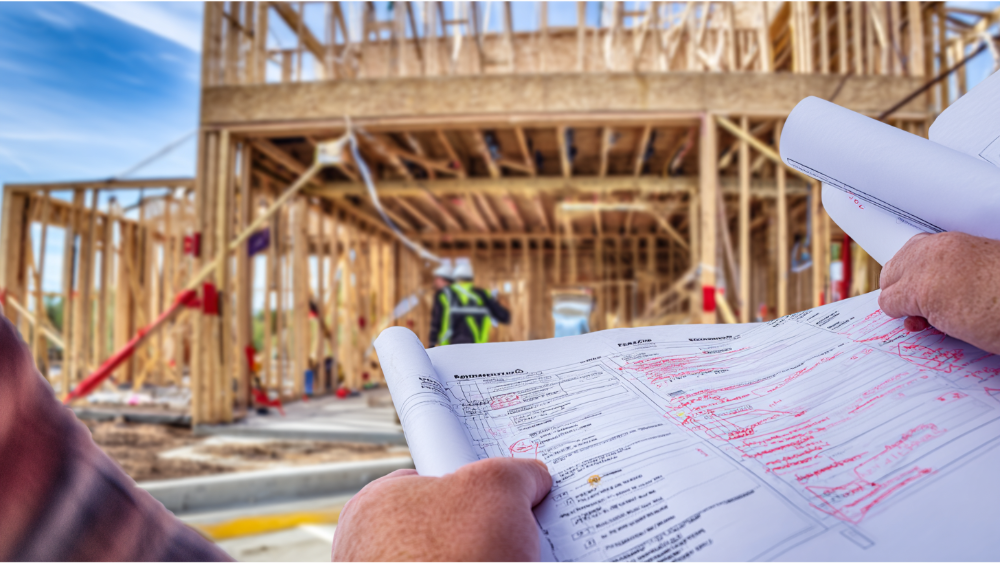
Skipping civil engineering may seem like a way to save money, but it often creates bigger problems:
- Building permits may be denied or delayed without proper site plans.
- Contractors may encounter unexpected conditions once ground work begins.
- Drainage issues can lead to water damage, disputes with neighbors, or city enforcement actions.
- From a resale perspective, undocumented or noncompliant site work can raise red flags for buyers and lenders.
Ultimately, civil engineering is a safeguard that protects the property, the house, and everyone involved.
What to Expect When Working With GSDE’s Civil Engineering Team
Site Assessment and Feasibility Review
The process typically begins with a site evaluation. Civil engineers review topography, soil conditions, existing utilities, and access. This step informs the planning phase and ensures the custom home is feasible before detailed drawings are produced.
Preparing Permit-Ready Civil Plans
Next, civil plans are prepared in coordination with architectural plans and structural drawings. These plans are sealed by a licensed professional engineer and formatted to meet city standards. Drawings may include grading, drainage systems, utilities, mechanical systems, and erosion control. Accuracy at this stage supports efficient construction.
Permitting and Agency Coordination
Civil engineers often assist with responding to city comments and coordinating with public works departments. This support keeps the project moving and reduces stress for homeowners. Clear communication between the team and the city is a key part of responsible engineering.
Areas We Serve Across California

Civil engineering requirements vary by city, but the principles remain the same. Whether the property is in a dense urban city or a suburban community, civil plans must address local regulations, safety standards, and site conditions. Experience with multiple jurisdictions helps ensure compliance and consistency across projects.
FAQs About Civil Engineering Plans for Custom Homes
Can I Submit a Site Plan Without a Civil Engineer?
In limited cases, yes. Some cities allow simple site plans for small projects. However, once grading, utilities, or drainage systems are involved, a professional engineer is typically required. This protects public safety and ensures compliance.
How Much Do Civil Engineering Plans Cost?
Costs vary depending on complexity. A flat lot with minimal utilities costs less than a hillside property with extensive grading. While civil engineering is an investment, it often saves money by preventing mistakes during construction.
What Is the Difference Between Grading and Drainage Plans?
Grading plans show how the ground will be shaped. Drainage plans show how water will move across the site. Together, they protect the foundation, structures, and neighboring properties.
Do Flat Lots Still Need Civil Engineering?
Often, yes. Even flat properties require proper drainage, utility coordination, and code compliance. Civil engineering ensures that the house functions correctly within its environment.
Do You Offer Integrated Services?
Many homeowners prefer a single construction team that includes architects, civil professionals, and structural experts. Integrated services reduce miscommunication and improve overall project quality.
Ready to Build Your Custom Home? Let’s Talk

So, do custom homes require civil engineering plans? In many cases, yes, especially in California. Civil engineering plays a critical role in building a custom home that is safe, durable, and approved by local authorities. From the earliest planning phase through construction and final inspection, civil expertise supports every stage of the project.
Building a custom home is about more than creating a beautiful house. It is about responsible building, long-term performance, and confidence in the finished result. With the right custom plans, the right team, and a clear vision, your dream home can move forward smoothly and successfully.