
25 May
- Golden State Digital Exchange
- Comment 0
What Drawings Are Needed Before Construction Begins?
Before construction begins on any residential or commercial development, a complete set of construction documents must be prepared to guide the entire construction process, secure approvals, and ensure compliance with building codes. In modern projects across California, the construction industry relies heavily on coordinated construction drawings that define every aspect of the building project from concept through completion. These construction documents include architectural drawings, structural drawings, civil drawings, and MEP drawings that together form the foundation of a successful building project. Without complete construction documentation, delays, cost overruns, and design conflicts often occur during the construction process.
A properly prepared set of construction plans ensures that the design intent is clearly communicated to the design team, contractors, and regulatory agencies before construction begins. These drawings also ensure that load-bearing elements, structural components, and mechanical, electrical, and plumbing systems are fully coordinated. This guide explains in detail what drawings are needed before construction begins and how each type contributes to a safe, efficient, and code-compliant building project.
Why Construction Drawings Matter Before Any Work Begins

Construction drawings are the backbone of any construction project and are required before construction begins. They form the official construction documentation used for building permit approval, contractor bidding, and field execution. Without complete construction documents, the entire project site becomes vulnerable to errors in layout, miscommunication between trades, and delays in the construction process.
They Are Required for Building Permits
A building permit cannot be issued without complete construction drawings that demonstrate compliance with building codes. These construction documents typically include site plan drawings, floor plan drawings, elevation drawings, and structural drawings. Authorities review these construction plans to ensure that the proposed structure meets zoning regulations and safety standards. Without approved construction documentation, construction cannot legally begin.
They Help Contractors Build Accurately
Construction drawings provide precise technical drawings that guide contractors throughout the construction process. Floor plans, framing plans, and section drawings ensure that room dimensions, load-bearing elements, and structural components are properly executed. When construction documents are incomplete, contractors rely on rough sketches or assumptions, which leads to errors in construction projects.
They Protect Project Budgets
Accurate construction documentation helps control costs by reducing changes during the construction process. When construction drawings are complete, contractors can prepare accurate bids for the entire project. Missing technical details often lead to change orders, especially when shop drawings and as-built drawings differ from initial construction plans.
They Improve Communication Between the Design Team
Construction documentation ensures that the design team, engineers, and contractors remain aligned throughout the building project. Architectural drawings, structural plans, and MEP drawings provide a unified reference for all stakeholders working on the project site.
The Main Types of Drawings Needed Before Construction
Before construction begins, several types of construction drawings are required to complete the construction documentation package. These include architectural drawings, structural drawings, civil drawings, and mechanical, electrical, and plumbing drawings. Each category plays a critical role in ensuring that the construction project is fully coordinated.
Architectural Drawings
Architectural drawings are the foundation of all construction documents. They define the layout, appearance, and spatial organization of the proposed structure. These construction drawings include site plan drawings, floor plans, elevation drawings, roof plans, and ceiling plans.
Site Plan
The site plan shows the building footprint, access points, surrounding structures, and entire project site layout. Site plan drawings ensure that the proposed structure complies with zoning requirements and fits within the property boundaries.
Floor Plans
Floor plans are one of the most important construction drawings in any construction project. They define room dimensions, wall layouts, fixture locations, and circulation paths. Floor plan drawings are used by the design team to coordinate structural elements and mechanical systems.
Elevation Drawings
Elevation drawings illustrate the exterior views of the finished building. These elevation plans show materials, heights, and architectural features. They are essential for understanding design intent and ensuring consistency across the construction documentation.
Roof Plan
The roof plan is part of the construction documents and shows roof structure, slopes, and drainage systems. It ensures that water management and structural components are properly coordinated.
Ceiling Plans
Ceiling plans or reflected ceiling plans show lighting layouts, light fixtures, and ceiling elements. These drawings are important for coordinating mechanical, electrical, and plumbing systems.
Structural Drawings
Structural drawings define the load-bearing elements and structural components of the building project. These engineering drawings ensure that the structure is safe and stable under all loads.
Foundation Plan
The foundation plan is a critical part of structural drawings. It shows footings, slabs, and load-bearing elements that support the proposed structure.
Framing Plans
Framing plans define how structural components are assembled. These framing plans guide contractors during construction and ensure proper alignment of load-bearing elements.
Structural Details
Structural details provide technical specifications for connections, reinforcement, and load paths. These detailed drawings ensure structural integrity throughout the construction process.
Civil Drawings
Civil drawings focus on the project site and surrounding infrastructure. These construction documents include grading, drainage systems, and utility connections.
Site Plan Drawings for Civil Work
Civil site plan drawings show grading, drainage systems, and access points. These drawings ensure proper water flow across the project site.
MEP Drawings
MEP drawings include mechanical, electrical, and plumbing systems that support building functionality. These construction drawings are essential for coordination between trades.
Electrical Drawings
Electrical drawings include wiring diagrams, panel layouts, and light fixture placement. These drawings ensure safe electrical distribution throughout the building project.
Plumbing Drawings
Plumbing drawings define pipe routing, fixture locations, and drainage systems. Plumbing plan documents are essential for water supply and waste management.
Mechanical Drawings
Mechanical drawings show HVAC systems, ventilation paths, and equipment locations. These drawings ensure proper airflow and energy efficiency.
Additional Documents Often Required Before Construction
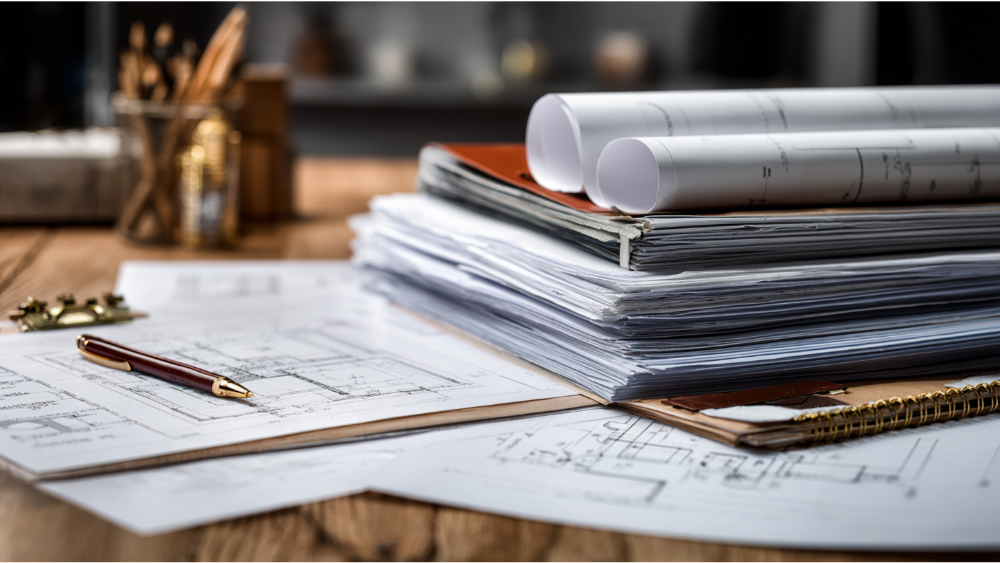
In addition to primary construction drawings, additional construction documentation is required depending on the construction project type.
Land Surveys and Site Analysis
Site plan drawings rely on accurate land surveys that define property boundaries, existing structures, and surrounding structures. This ensures correct placement of the proposed structure on the project site.
Geotechnical and Engineering Reports
Engineering drawings are supported by soil and geotechnical reports that influence foundation plan design and structural components.
Fire Protection Drawings
Fire protection drawings are required for many construction projects and include fire protection systems, fire-rated assemblies, and emergency access routes.
Specifications and Technical Specifications
Technical specifications define construction details, materials, and assembly drawing requirements. These documents ensure quality control throughout the construction process.
Permit Drawings vs Construction Drawings
Permit drawings are a subset of construction documents used for building permit approval. Construction drawings include more detailed drawings used during construction and execution. While permit drawings focus on compliance, construction documentation focuses on buildability and coordination.
Construction plans submitted for approval often include architectural drawings, structural drawings, and civil drawings. Once approved, additional shop drawings and as-built drawings may be created to refine construction details during the construction process.
What Happens if Drawings Are Incomplete?

Incomplete construction drawings often result in delays during the construction process. Missing construction documentation can lead to failed building permit reviews, incorrect framing plans, and errors in structural components.
Permit Delays
Without complete construction documents, building permit approval may be delayed due to missing site plan drawings or elevation drawings.
Construction Change Orders
Incomplete construction drawings often lead to change orders when contractors encounter missing technical details or unclear construction documentation.
Budget Overruns
When construction drawings lack precision, the entire construction project becomes vulnerable to unexpected costs.
How Integrated Design Improves the Construction Process
A coordinated design team improves the quality of construction documentation by ensuring architectural drawings, structural drawings, and MEP drawings are aligned. This reduces conflicts between load-bearing elements, structural components, and mechanical, electrical, and plumbing systems.
Integrated construction documentation also improves coordination of shop drawings, framing plans, and assembly drawings, ensuring a smoother construction process across the entire project.
Construction Drawings for Different Types of Construction

Different types of construction require different levels of construction documentation.
For residential construction, floor plans, site plan drawings, and structural drawings are essential. For multifamily developments, additional fire protection drawings, mechanical drawings, and elevation drawings are required. For custom homes, detailed drawings and interior elevations ensure that design intent is maintained throughout the construction process.
Frequently Asked Questions
What drawings are essential before starting construction?
Essential drawings include site plan drawings, floor plans, elevation drawings, structural drawings such as foundation and framing plans, and MEP drawings covering mechanical, electrical, and plumbing systems.
Why are site plan drawings important before construction?
Site plan drawings provide an overhead view of the entire project site, showing building footprints, access points, utilities, and landscaping. They ensure the project complies with zoning laws and fits properly within the property boundaries.
How do construction drawings help control project costs?
Complete and accurate construction drawings reduce the likelihood of change orders and rework by providing clear technical details upfront. This helps contractors prepare precise bids and avoid unexpected expenses during construction.
What is the difference between permit drawings and construction drawings?
Permit drawings are a subset of construction documents used primarily for obtaining building permits and focus on code compliance. Construction drawings are more detailed and used during the building process to guide construction and coordination.
How do MEP drawings contribute to the construction process?
MEP drawings detail mechanical, electrical, and plumbing systems, ensuring proper installation and coordination among trades. They help maintain building functionality, safety, and energy efficiency.
What happens if construction drawings are incomplete or inaccurate?
Incomplete drawings can cause permit delays, construction errors, increased change orders, and budget overruns, ultimately risking project timelines and quality.
Final Thoughts
Before construction begins, complete construction drawings and construction documentation are essential for ensuring a successful building project. From site plan drawings to structural drawings, mechanical, electrical, and plumbing systems, and detailed construction documents, every element plays a critical role in the construction process. A well-coordinated design team ensures that construction plans are accurate, complete, and ready for approval and execution. This level of preparation supports efficient construction starts, reduces risk, and ensures the finished building meets all building codes and design intent across the entire project.