
29 May
- Golden State Digital Exchange
- Comment 0
What Documents Are Required to Apply for a Residential Building Permit in California?
Why Permit Documentation Matters More Than Ever in 2026

What documents are required to apply for a residential building permit is one of the most important questions homeowners, contractors, and developers face before starting residential building work in California. A residential building permit is required for nearly all construction activities that involve structural changes, electrical work, plumbing work, mechanical systems, or new construction. In 2026, residential building permits are more complex due to updated local building codes, stricter safety standards, and expanded code compliance expectations across every local municipality.
Every building permit application must be supported by complete construction plans, accurate site plan documentation, and coordinated engineering details. Missing or inconsistent information can delay plan review, increase permit fees, and prevent an approved permit from being issued on time. In many cases, these issues also delay when a project can begin construction or move forward with inspections.
Golden State Digital Exchange focuses on preparing coordinated residential building documents that align architectural, structural, and civil requirements from the start. This reduces corrections during review and improves approval timelines across all building departments.
Understanding Residential Building Permits in California
What a Residential Building Permit Covers
A residential building permit is required for most residential building work, including new construction, additions, ADUs, garage conversions, remodeling, repair work that alters structure, and upgrades involving electrical or plumbing systems. The permit defines the approved scope of work and ensures all construction follows applicable building codes and safety requirements.
Without a permit, construction cannot legally begin in most jurisdictions. The permit process ensures that all proposed work is reviewed for code compliance before any construction activity takes place.
The 2026 California Code Updates That Impact Submittals
In 2026, residential building permits must meet updated California code requirements that strengthen energy efficiency, fire safety, and environmental performance. These updates affect how construction plans are prepared and reviewed by the building department.
Plan review now requires more detailed documentation, especially for residential building projects involving new development or structural alterations. Any inconsistency between architectural plans, engineering details, or site plan information can delay approvals or require resubmission of corrected documents.
Core Residential Building Permit Documents (The Essential Checklist)

Building Permit Application Requirements
A building permit application is required for all residential building permits. It includes project scope, intended use, location, contractor details, and property information. This application is submitted through the local municipality or online application system.
Once submitted, the building department assigns a permit number that tracks the project through plan review, inspections, and final approval. Errors in the permit application are a common cause of delays and additional permit fees.
Architectural Plans for Residential Building Projects
Architectural plans form the foundation of all residential building permits. These construction plans include floor layouts, elevations, roof designs, and spatial arrangements that define the structure.
Architectural documentation must align with all code requirements and reflect the full scope of proposed work. Inconsistent drawings can delay review and require corrections before approvals are granted.
Site Plan Requirements for Residential Building
A site plan shows how a residential building is located on a property. It includes property boundaries, setbacks, existing structures, utilities, grading information, and proposed improvements.
Accurate site plan information is essential for zoning compliance and local planning review. Errors in site data are a common cause of permit delays, especially for new construction or major additions.
Structural Engineering and Safety Compliance
Structural engineering documents ensure that a residential building is safe and stable. These include load calculations, framing details, and foundation design.
All structural documents must meet code requirements and align with architectural plans. Building departments review these documents carefully during plan review to ensure safety compliance before issuing approvals.
Energy Compliance and CALGreen Requirements
Energy compliance documentation is required for nearly all residential building permits in California. These documents demonstrate compliance with state energy efficiency standards and must be included with the permit application.
CALGreen requirements also apply, ensuring sustainable construction practices, water efficiency, and environmental performance standards are met.
Civil Engineering, Drainage, and Septic System Considerations
Civil engineering documents may include grading plans, drainage systems, erosion control, and septic system design where applicable. These requirements depend on project location and site conditions.
Proper civil documentation ensures that residential building projects do not negatively impact surrounding land or infrastructure and meet all applicable requirements.
Supporting Documents, Ownership, and Contractor Requirements
Supporting documents verify ownership, contractor licensing, and authorization to perform work. These requirements are mandatory before a permit number can be finalized.
Missing ownership documentation or contractor verification is a common cause of delays in the permitting process.
Specialized Systems Including Electrical, Plumbing, and Mechanical Work
Residential building permits often include additional requirements for electrical work, plumbing systems, and mechanical installations. These systems must be included in construction plans when applicable.
Depending on project scope, additional approvals from other agencies may be required before final approval is granted.
Jurisdiction-Specific Requirements You Should Expect
Residential building permits vary depending on location, building departments, and local planning requirements. Each jurisdiction may have different processes for review, inspections, and approvals.
Local Variations Across Key California Cities
Sacramento
Sacramento residential building permits require detailed documentation, strong energy compliance, and coordination with stormwater requirements. Plan review timelines vary depending on project complexity.
Folsom
Folsom emphasizes zoning compliance and digital permitting systems. Residential building projects must align with local planning rules before approvals are issued.
El Dorado Hills
El Dorado Hills often requires additional attention to grading, hillside construction, and environmental conditions that affect residential building design.
Santa Rosa
Santa Rosa focuses heavily on fire safety, environmental protection, and structural safety requirements during plan review and inspections.
San Jose
San Jose residential building permits involve detailed plan review, especially for ADUs and multi-unit housing projects where density and infrastructure impact are carefully evaluated.
Why Residential Building Permits Get Delayed or Rejected
Incomplete or Inconsistent Plans
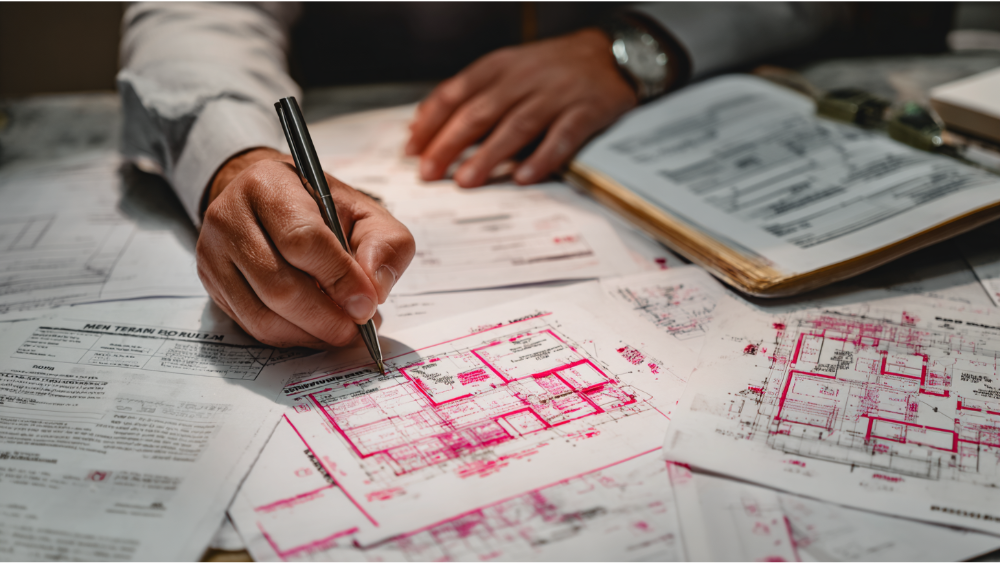
One of the most common issues in residential building permits is inconsistency between architectural plans, structural engineering documents, and site plan details. When information does not match, plan review cannot proceed efficiently.
Missing Energy or CALGreen Documentation
Missing energy compliance forms or CALGreen documentation can delay approval and require resubmission before final approval is granted.
Site Plan and Survey Errors
Incorrect property boundaries, elevations, or utility locations can lead to rejected submissions and additional corrections during review.
Lack of Engineering Certification
Structural engineering certification is required for most residential building projects involving structural modifications. Without proper stamps, permits cannot be approved.
How to Prepare a Permit-Ready Residential Project
Start with Accurate Site Data and Survey Information
Accurate land data ensures that all construction plans reflect real site conditions. This step is critical for avoiding design errors and delays.
Align Architecture and Engineering Early in the Process
Early coordination between design and engineering ensures consistency across all residential building documents and reduces revision cycles during review.
Integrate Energy Compliance Before Submittal
Energy requirements should be included during the design phase to avoid delays in plan review and approval.
Prepare for Inspections and Construction Readiness
Once an approved permit is issued, contractors must follow inspection requirements throughout construction. Scheduling inspections at key stages ensures compliance. After approval, teams can begin construction and move toward final inspection and occupancy certification.
How GSDE Streamlines Residential Building Permits

A successful residential building project depends on coordinated design, engineering, and documentation. By integrating these services, GSDE ensures residential building permits are complete, consistent, and ready for plan review before submission.
This reduces delays, minimizes corrections, and improves approval timelines across all building departments. It also ensures smoother transitions from permitting into construction and inspections.
Integrated Design and Engineering Coordination
Architectural, structural, and civil coordination ensures that all construction plans align before submission to the building department.
Permit-Ready Documentation Strategy
Every residential building project is prepared with full attention to building permit requirements, reducing revision cycles during plan review.
Supporting Residential Development Across California
From urban infill projects to hillside residential building developments, GSDE supports clients through every stage of permitting and construction documentation.
Frequently Asked Questions (FAQs)
What documents are required for a residential building permit in California?
Most residential building permits require a building permit application, architectural plans, structural engineering documents, site plan, energy compliance forms, and any additional documentation based on project scope.
Do I need engineered plans for a home addition or ADU?
Yes, most residential building projects involving structural changes require engineered plans to ensure safety and code compliance.
How long does the residential building permit process take?
Timelines vary depending on local municipality workload, project complexity, and completeness of submitted documents.
What is Title 24 and why is it required?
Title 24 sets California energy efficiency standards for residential building projects and is required for permit approval.
Can contractors submit residential building permit applications directly?
Yes, contractors can submit applications in many jurisdictions, but full coordination of documents is essential for approval.
What causes the most common residential building permit delays?
Incomplete plans, missing documentation, and inconsistencies between drawings are the most common causes of delays.
Conclusion
Obtaining a residential building permit in California requires careful preparation and submission of all required documents, including detailed architectural plans, structural engineering reports, site plans, and energy compliance forms. Understanding the local jurisdiction’s specific requirements and ensuring consistency across all documents can significantly reduce delays and additional fees. By coordinating design, engineering, and documentation early in the process, homeowners and contractors can streamline the permitting process and move confidently toward constructing safe, code-compliant new structures. Remember to pay fees promptly and provide any additional information requested by building departments to ensure timely approval. With thorough preparation and attention to detail, obtaining a residential building permit becomes a smoother step toward realizing your construction project.