
22 May
- Golden State Digital Exchange
- Comment 0
Residential Construction Permit Checklist for California Homeowners (2026 Guide)
Planning a residential construction project in California requires far more than filling out a simple permit application. Every city and county has a review process designed to confirm code compliance, public safety, structural integrity, and proper site development before construction begins. Whether the project involves a custom home, garage conversion, home addition, structural alterations, or new residential development, preparing a complete residential construction permit checklist can help property owners avoid delays, corrections, and permit rejection.
A successful building permit application typically includes architectural plans, engineering documents, surveys, energy compliance forms, and other required documents that allow the building official to review the proposed construction. Incomplete plans or missing documents can delay approval and increase project cost. This guide explains the permit process, outlines the most commonly required documents, and helps applicants understand how to submit a complete application package in 2026.
What Is a Residential Construction Permit?

A residential construction permit is formal authorization issued by the city or county building department allowing construction work to proceed on a residential property. The permit review process verifies that the proposed construction complies with local zoning ordinances, building codes, safety standards, and applicable regulations.
The building permit process protects the property owner, neighboring structures, contractors, and future occupants by ensuring the structure is safe and properly designed. A permit is required for many types of residential construction projects, including new homes, garage conversions, ADUs, structural remodels, foundation repairs, framing alterations, room additions, retaining walls, decks, utility upgrades, grading, and site development.
The building official and review agencies evaluate plans and documents to verify code compliance before the permit is approved.
Why Permits Are Important
A permit helps protect the health and safety of occupants while ensuring construction follows applicable code requirements. When plans are submitted correctly and accepted by the city, the project can move forward with inspections conducted throughout construction.
Without a permit, the property owner may face rejection of future applications, penalties and fines, delayed property sales, insurance issues, required demolition, costly corrections, and additional inspection requirements. Obtaining an approved building permit also helps confirm that contractors, consultants, and the applicant are following current California standards.
Residential Construction Permit Checklist Overview
A residential construction permit checklist helps applicants organize all required documents before they submit the application package to the city building department.
Typical Required Documents
Most residential permit applications require a permit application, site plan, floor plan, foundation plan, roof plan, building elevations, cross sections, structural calculations, surveys, energy compliance documents, smoke detectors layout, framing details, utility information, payment information, contractor licenses, applicant information, and property owner authorization.
The building official may request additional documents depending on the project scope, location, or structure type.
How Local Requirements Vary
Every city has different permit procedures and review standards. Some agencies require applicants to submit complete sets of plans digitally, while others may request physical drawings. Certain departments may require separate grading permits, development approvals, or utility review before the building permit application can be accepted.
For example, hillside properties, lots with trees, or properties near easements may trigger additional review requirements. The applicant should contact the local building department by phone or through the city permit portal to confirm all applicable requirements before submitting plans.
Step 1 | Property Research and Feasibility Review

Before plans are created, the applicant should conduct a feasibility review to determine whether the proposed construction can meet city regulations and development standards.
Zoning and Property Review
The first phase of the permit process usually involves reviewing property line setbacks, easements, height limits, lot coverage, parking requirements, utility access, existing structure location, fire zone requirements, and tree restrictions. This review helps confirm whether the proposed development can move forward before detailed plans are completed.
Site Constraints
Each site has unique conditions that may affect the permit application and construction process. Common concerns include sloped land, drainage issues, flood hazards, trees, utility conflicts, soil conditions, gas line location, and septic systems. Understanding these details early helps reduce corrections and delays later in the permit review process.
Why Feasibility Studies Matter
Feasibility review can reduce project cost by identifying challenges before detailed drawings are created. It also helps the applicant understand the full scope of the work and avoid missing required documents during permit submittal.
Step 2 | Site Plan Requirements
The site plan is one of the most important documents included in the residential construction permit checklist. The site plan shows how the proposed construction relates to the property and surrounding improvements.
What a Site Plan Must Include
A typical site plan includes property line dimensions, structure location, existing and proposed construction, easements, driveways, walkways, utility lines, drainage patterns, trees, north arrow, scale, and setbacks. The site plan must clearly identify the location of all proposed work and verify that the project complies with city requirements.
Common Site Plan Mistakes
Many permit applications receive corrections because the site plan is incomplete or inconsistent with the architectural drawings. Common issues include missing property line dimensions, incorrect scale, missing north arrow, unclear utility location, inconsistent setbacks, missing easements, and incomplete drainage details. The building department review team verifies that all submitted documents match before the permit can be approved.
When Surveys Are Required
Surveys are often required when property lines are unclear, new structures are near setbacks, development occurs on irregular lots, grading is proposed, or easements affect construction. Professional surveys help confirm accurate site dimensions and reduce permit rejection risk.
Step 3 | Architectural Plans Required for Permit Submittal

Architectural plans are the core documents used during permit review. These plans communicate the design intent, construction details, dimensions, and room layouts.
Typical Architectural Plan Components
A complete residential permit package may include a floor plan, roof plan, foundation plan, exterior elevations, cross sections, construction details, door schedules, window schedules, framing plans, and reflected ceiling plans. Each floor plan should identify rooms, dimensions, smoke detectors, doors, windows, and applicable notes.
Importance of Clear Drawings
The building official and review agencies rely on complete drawings to verify code compliance. Missing details or inconsistent plans may result in corrections or rejection of the permit application. Architectural drawings should include accurate dimensions, room labels, door swings, window sizes, ceiling heights, construction notes, structural coordination, scale references, and cross sections. Complete sets of plans improve communication between the city, contractors, consultants, and inspectors.
Code Compliance Requirements
Residential plans must demonstrate compliance with fire safety standards, structural regulations, accessibility rules where applicable, smoke detector placement, ventilation requirements, energy standards, and insulation requirements. The permit review process verifies that the proposed construction meets all applicable regulations before approval.
Step 4 | Structural Engineering Requirements
Structural engineering documents are often required when the project affects the building structure.
Projects That Need Structural Plans
Structural calculations and details are commonly required for new homes, additions, garage conversions, foundation repairs, framing modifications, retaining walls, seismic upgrades, and load-bearing wall removal. The structural engineer prepares documents verifying the structure can safely support applicable loads.
Structural Permit Documents
Typical structural documents include foundation details, framing plans, structural calculations, connection details, beam schedules, roof framing details, cross sections, and structural notes. These plans help the building department confirm code compliance and structural safety.
California Structural Review
California building standards require detailed structural review due to seismic conditions. The review process verifies that the structure can protect occupants during earthquakes and other events.
Step 5 | Civil Engineering, Grading, and Drainage Requirements
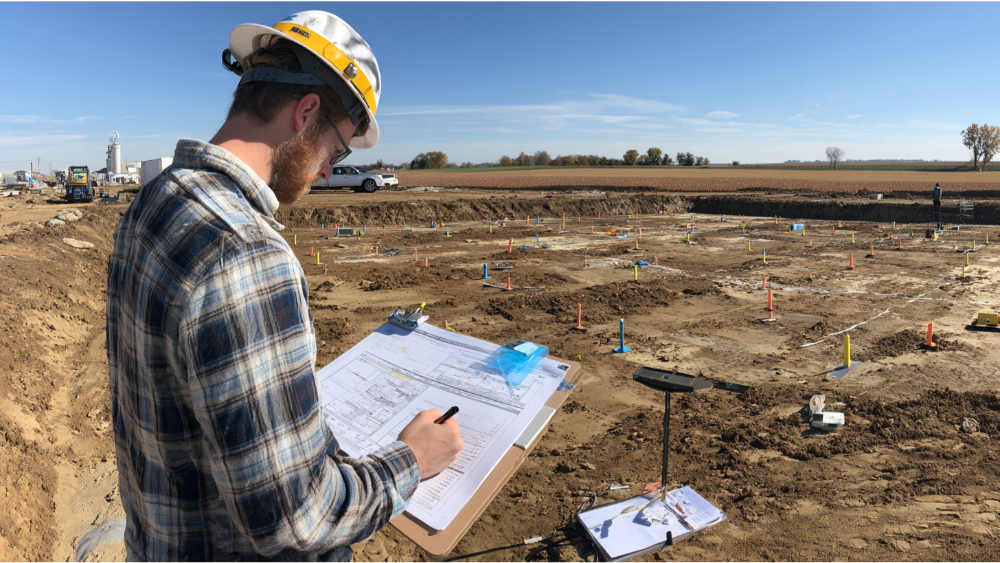
Some residential projects require civil engineering plans in addition to architectural and structural documents.
When Civil Engineering Is Required
Civil engineering review may be required for site grading, drainage improvements, utility extensions, retaining walls, new development, driveway modifications, and stormwater management. The city may require separate permits for grading work depending on the scope of development.
Typical Civil Engineering Documents
Civil permit plans may include grading plans, drainage calculations, utility plans, erosion control details, stormwater plans, and site development plans. These documents help agencies review how the project affects surrounding properties and public infrastructure.
Drainage and Site Review
Drainage review verifies that runoff from the proposed construction will not negatively impact neighboring properties. Proper site grading helps protect structures, foundations, and utilities from water damage.
Step 6 | Title 24 Energy Compliance in 2026
Energy compliance is a required part of most residential permit applications in California.
What Energy Compliance Covers
Title 24 compliance documents evaluate insulation, HVAC systems, lighting, windows, ventilation, energy efficiency, and building envelope performance. These documents are reviewed during permit application processing.
Required Energy Documents
Applicants may need to submit energy reports, CF1R forms, equipment specifications, mechanical calculations, and compliance certificates. Missing energy documents may delay permit approval.
Why Energy Review Matters
Energy standards help reduce operating cost while improving residential performance and sustainability. The review process verifies compliance with California regulations before construction begins.
Step 7 | Additional Reports and Agency Approvals

Certain projects require additional review from outside agencies before the permit can be approved.
Soils and Geotechnical Reports
These reports may be required when construction occurs on hillsides, soil conditions are unstable, large foundations are proposed, or retaining walls are created. The reports help engineers design safe foundations and structural systems.
Fire Department Review
Fire department review may evaluate emergency access, fire sprinklers, smoke detectors, fire separation, and access roads. The fire department verifies that the proposed construction protects occupants and emergency personnel.
Utility Agency Review
Utility agencies may review water connections, sewer systems, gas lines, and electrical service. Applicants may need to submit payment documents and utility applications before permits are issued.
Step 8 | Permit Submittal and Plan Review Process
After all plans and documents are completed, the applicant can submit the permit application package to the city.
Digital Permit Submittal
Many jurisdictions now require digital permit application systems. Applicants may need to upload plans, submit signed forms, pay application fees, provide contractor licenses, and confirm applicant information. The city review team verifies that the permit package is complete before processing begins.
Plan Review Process
During review, the building department examines architectural plans, structural details, code compliance, fire requirements, energy documents, and site plan information. If issues are identified, corrections will be issued to the applicant.
Corrections and Resubmittals
Corrections commonly involve missing details, inconsistent drawings, incomplete dimensions, code compliance issues, and missing signatures. Applicants must submit revised documents addressing all review comments before the permit can be approved.
Step 9 | Construction Inspections and Final Approval

Once the permit is issued, construction can begin and inspections will be conducted throughout the project.
Common Residential Inspections
Typical inspection stages include foundation inspection, framing inspection, plumbing inspection, mechanical inspection, electrical inspection, insulation inspection, and final inspection. The inspector verifies that completed work matches the approved plans and permit documents.
Inspection Requirements
The applicant or contractors must contact the city inspection department to schedule required inspections. Inspections are conducted at specific phases before work can continue. If work is completed without inspection approval, additional corrections or removal of completed construction may be required.
Final Approval and Certificate
After all inspections are completed and accepted, the city may issue final approval, certificate of occupancy, or completion certificate. This certificate verifies that the project complies with applicable regulations and approved permit documents.
Common Residential Permit Mistakes Homeowners Make
Starting construction before the permit is issued can create serious problems with the building department and may increase project cost. Submitting incomplete plans, missing details, incomplete floor plan information, or inconsistent cross sections often trigger corrections during review. Ignoring site conditions such as drainage, trees, easements, or utility location can delay permit approval. Hiring unlicensed contractors without confirming current licenses before construction begins is risky. Failing to respond quickly to correction comments may slow permit processing and extend project timelines.
How GSDE Helps Streamline Residential Permit Approvals

Residential permit applications require coordination between architecture, engineering, consultants, contractors, and agencies. GSDE helps clients prepare complete sets of permit documents for residential development projects throughout California.
Coordinated In-House Services
Our integrated services include architectural plans, structural engineering, civil engineering, surveys, permit coordination, and site development support. This coordinated process helps reduce missing information and improve permit review efficiency.
Improved Permit Coordination
Well-organized plans and complete required documents help reduce corrections, improve review timelines, minimize rejection risk, improve communication with agencies, and reduce overall project cost.
California Service Areas
GSDE supports residential projects in Sacramento, Folsom, El Dorado Hills, San Jose, Santa Rosa, and surrounding California communities.
Frequently Asked Questions
What documents are required for a residential building permit?
Required documents may include the permit application, site plan, floor plan, elevations, cross sections, structural calculations, surveys, energy compliance forms, and contractor licenses.
How long does permit review take?
Permit review timelines vary by city, project scope, department workload, and completeness of submitted documents.
Do garage conversions require permits?
Yes, garage conversions generally require permits, plans, inspections, and code compliance review.
When are inspections conducted?
Inspections are conducted throughout construction at specific stages including foundation, framing, insulation, and final completion.
What causes permit rejection?
Common reasons include missing documents, incomplete plans, incorrect details, code compliance issues, and unsigned application forms.
Why is the permit checklist important?
A residential construction permit checklist helps applicants organize all required documents before they submit the permit application package to the city building department.
Conclusion
Preparing a complete residential construction permit checklist is one of the most important steps in achieving a successful residential development project in California. Proper planning, complete documents, coordinated plans, and early review of applicable requirements can help property owners avoid delays, corrections, and unnecessary cost increases.
Whether the project involves a custom home, residential addition, garage conversion, structural alterations, or new development, a complete permit application package improves the likelihood of fast review and approval. By working with experienced professionals and submitting complete sets of plans and documents, applicants can move through the permit process more efficiently while protecting the safety and long-term value of the property.