
11 May
- Golden State Digital Exchange
- Comment 0
What Infrastructure Plans Are Required for Residential Development in California?
One of the most common questions asked by property owners, builders, investors, and residential developers is: what infrastructure plans are required for residential development? Whether the goal is to build single-family homes, create a housing development, subdivide land, or complete a large residential development project, understanding infrastructure requirements is essential before construction begins.
Residential development involves much more than designing structures and obtaining building permits. Every project must account for public infrastructure, utilities, environmental impact, access, community needs, and local regulations. Local governments review infrastructure plans carefully because new development affects public health, public services, transportation systems, utility systems, and the overall well-being of residents.
For new residential developments, infrastructure planning is one of the most important stages of the development process. A well-prepared plan helps developers understand costs, identify regulatory requirements, navigate the approval process, and avoid delays during construction. Requirements vary based on the size of the project, the location of the site, existing infrastructure, zoning laws, land use policies, and adopted ordinances at the local level.
When asking what infrastructure plans are required for residential development, property owners should understand that local governments and the planning commission often evaluate whether a residential development project aligns with the community master plan, land use objectives, infrastructure capacity, and long-term needs. These key factors influence how a project moves through the approval process.
What Are Infrastructure Plans in Residential Development?
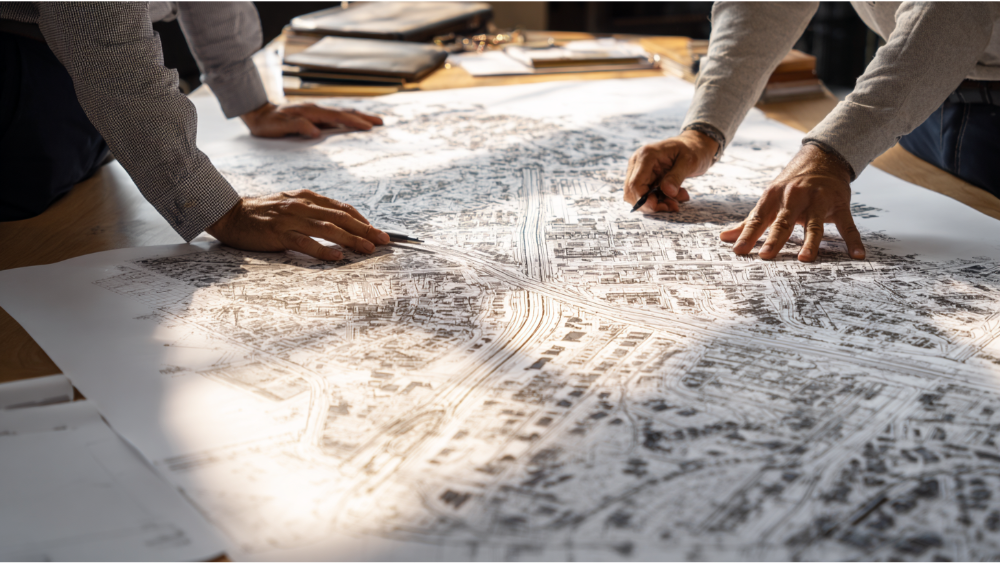
Infrastructure plans are technical documents prepared by engineers, surveyors, architects, and other construction professionals to demonstrate how a development project will function and connect to public infrastructure.
A typical residential development project may require plans addressing:
- Water lines
- Sewer lines
- Utilities
- Storm drainage
- Grading
- Roads
- Sidewalks
- Emergency access
- Environmental protection measures
These plans ensure that infrastructure systems can adequately support future residents while complying with local regulations and building codes.
Infrastructure planning helps developers evaluate available resources, determine project feasibility, estimate costs, and identify improvements necessary to support construction.
Why Infrastructure Plans Matter
Infrastructure is the foundation of every housing development. Without proper infrastructure improvements, developers can face delays, redesigns, permit challenges, and increased construction costs.
Infrastructure planning supports:
- Public safety
- Environmental protection
- Community well-being
- Efficient use of land
- Utility reliability
- Transportation access
- Long-term functionality
- Compliance with building codes
Infrastructure planning is also important because local governments must balance growth with available resources. New residential developments often require developers to fund infrastructure improvements through impact fees and other development obligations. Impact fees help local governments fund infrastructure such as roads, water lines, sewer lines, schools, parks, and public services. Because impact fees can significantly affect project costs, accurate cost estimation should occur early.
When Infrastructure Plans Become Necessary
Infrastructure plans are commonly required for:
- Single-family homes
- Residential subdivisions
- Townhome communities
- Multi-family development
- Infill development projects
- Accessory dwelling units (ADUs)
- New residential developments
- Mixed-use housing development projects
The exact requirements vary based on project scope, land use designation, community standards, and local regulations.
Site Planning: The Foundation of Residential Development
Every successful residential development project begins with site planning. A site plan establishes how development will fit on the property and identifies existing conditions that may influence construction. Site planning serves as the roadmap for the entire process.
What Is Included in a Site Plan?
A typical site plan may include:
- Property boundaries
- Existing structures
- Proposed structures
- Easements
- Access points
- Utilities
- Parking areas
- Open space
- Setbacks
- Right-of-way information
For corner lots and irregular parcels, careful consideration must be given to circulation, access, visibility, and infrastructure placement.
How Land Surveying Supports Site Planning
Surveying provides accurate information about land boundaries, elevations, easements, and existing infrastructure. Reliable survey data allows developers to build with confidence and helps avoid conflicts during construction.
Common Site Planning Challenges
Common challenges include:
- Utility conflicts
- Existing infrastructure limitations
- Environmental impact concerns
- Difficult topography
- Land use restrictions
- Zoning law requirements
- Community concerns
Addressing these issues early improves project quality and reduces costs.
Grading Plans and Earthwork Requirements
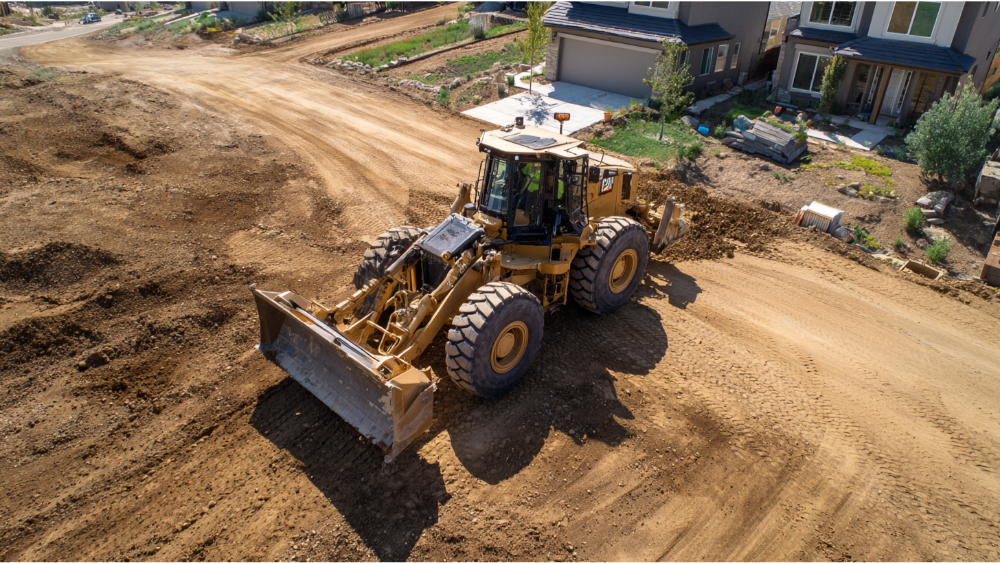
Grading plans are among the most important documents prepared for construction projects.
What Is a Grading Plan?
A grading plan illustrates how the land will be modified to accommodate development, infrastructure, utilities, roads, and structures.
Why Grading Plans Are Required
Local governments require grading plans because grading affects:
- Drainage patterns
- Public infrastructure
- Site stability
- Environmental impact
- Construction feasibility
Proper grading helps create safe and buildable sites while protecting neighboring properties.
Information Typically Included
A grading plan generally includes:
- Existing contours
- Proposed contours
- Spot elevations
- Cut and fill calculations
- Retaining walls
- Drainage flow directions
- Construction limits
Common Grading Challenges in California
California projects often involve hillside conditions, erosion concerns, stormwater runoff management, and environmental protection requirements. Developers and construction professionals must coordinate carefully to ensure compliance.
Drainage and Stormwater Management Plans
Drainage planning is critical because water management directly affects infrastructure performance and public safety.
Why Drainage Planning Is Critical
Every residential development project must demonstrate how runoff will be controlled and conveyed away from structures and public infrastructure.
Without proper drainage systems, development can lead to flooding, erosion, and property damage.
Components of a Drainage Plan
Drainage plans may include:
- Catch basins
- Storm drainage systems
- Detention facilities
- Retention facilities
- Drainage swales
- Culverts
- Hydraulic calculations
California Stormwater Regulations
Many construction projects must comply with requirements established by the Environmental Protection Agency and state agencies. These requirements are intended to protect water quality and reduce environmental impact.
Consequences of Poor Drainage Design
Poor planning can result in:
- Flooding
- Increased costs
- Infrastructure damage
- Permit delays
- Construction complications
Utility Infrastructure Plans
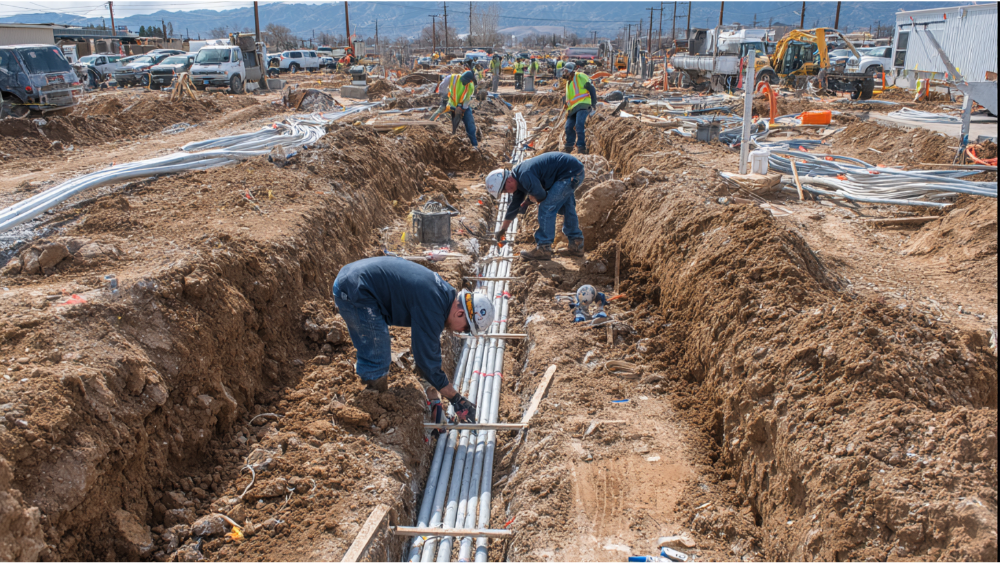
Utility planning ensures that essential services are available to support development.
Water System Plans
Water plans identify water lines, service connections, meter locations, and distribution systems necessary to serve future residents.
Sewer Infrastructure Plans
Sewer infrastructure plans identify sewer lines, connection points, collection systems, and capacity requirements. Every residential development project must connect safely to an approved sanitary sewer system or alternative wastewater solution.
Storm Drain Utility Plans
Storm drainage infrastructure helps protect structures, roads, and public infrastructure from water damage.
Dry Utility Coordination
Modern development often requires coordination for:
- Electricity
- Natural gas
- Telecommunications
- Broadband internet
Reliable utilities support residents, businesses, schools, and emergency services throughout the community.
Utility Conflict Resolution During Design
Coordination between water lines, sewer lines, and utilities is essential because conflicts can increase costs and delay construction.
Street and Frontage Improvement Plans
Many projects require infrastructure improvements along adjacent streets.
What Are Frontage Improvements?
Common improvements include:
- Sidewalks
- Curbs
- Gutters
- Street widening
- ADA upgrades
- Street lighting
These improvements improve access, safety, and public services.
Typical Requirements
Requirements vary based on land use, community standards, local regulations, and existing infrastructure conditions.
Local Agency Review Process
Local governments review frontage improvements to ensure consistency with adopted ordinances, the master plan, and community development goals.
How Frontage Requirements Affect Project Costs
Infrastructure improvements can represent a substantial portion of development costs. Early cost estimation allows developers to plan effectively and manage budgets.
Fire Access and Emergency Access Plans
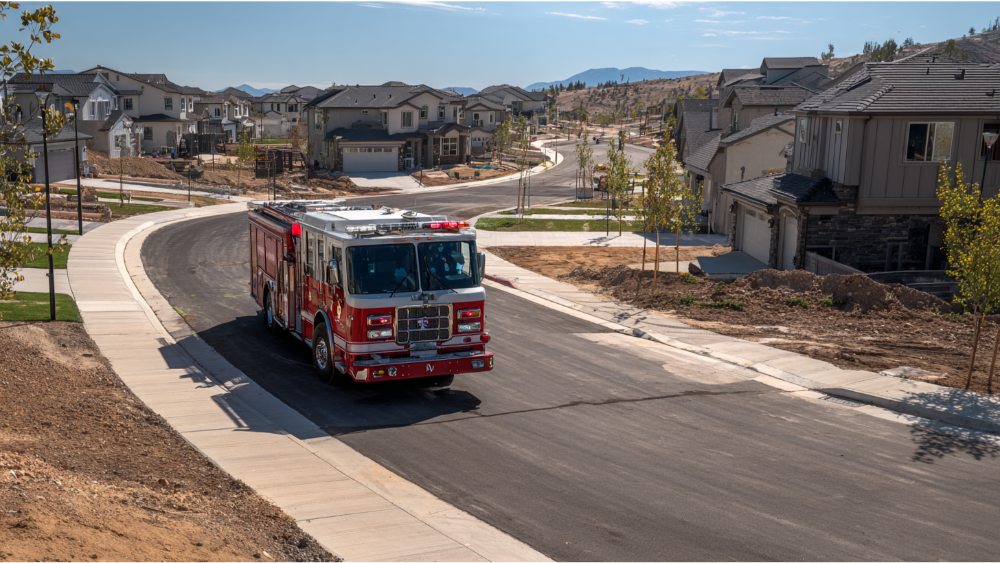
Emergency access is required for most construction projects.
Why Fire Departments Review Residential Developments
Fire agencies evaluate whether emergency responders can safely access structures and residents.
Typical Fire Access Requirements
Requirements often include:
- Road widths
- Turning radii
- Fire lanes
- Emergency access routes
Fire Hydrant Placement Requirements
Adequate water lines and hydrant placement are essential components of fire protection planning.
Common Design Issues That Trigger Revisions
Common issues include limited access, narrow roads, steep grades, and utility conflicts.
Subdivision Maps and Land Development Documents
Subdivision projects require additional planning and engineering documentation.
When a Tentative Map Is Required
Developers creating multiple lots typically submit a tentative map for review by the planning commission and other agencies.
Parcel Maps vs. Final Maps
The mapping process depends on the size and complexity of the development project.
The Role of Land Surveying in Subdivision Projects
Surveyors assist with legal descriptions, monumentation, easements, and map preparation.
Improvement Agreements and Conditions of Approval
Many local governments require developers to fund infrastructure through improvement agreements and impact fees. Impact fees help fund infrastructure needed to support new development and future growth. Impact fees may contribute to roads, utilities, schools, transportation facilities, parks, and public services.
Consistency With a Specific Plan
Larger projects may need to demonstrate consistency with a specific plan or community master plan. These documents guide land use decisions, infrastructure investments, transportation planning, and environmental protection efforts.
Why an Integrated Design Team Simplifies Residential Development

Residential development involves numerous disciplines, resources, and stakeholders.
Bringing engineers, surveyors, architects, and permitting specialists together improves communication and project efficiency.
Integrated services help developers:
- Reduce costs
- Improve quality
- Streamline the process
- Coordinate infrastructure improvements
- Address regulatory requirements
- Support long-term needs
Successful projects depend on efficient design, sustainable materials, quality building materials, reliable infrastructure systems, and experienced professionals who understand local regulations.
Frequently Asked Questions about Infrastructure Plans for Residential Development
What types of infrastructure plans are typically required for a residential development project?
Typical infrastructure plans include water and sewer line layouts, storm drainage systems, grading plans, road and sidewalk designs, utility coordination, emergency access routes, and environmental protection measures.
How do impact fees affect residential development projects?
Impact fees are charges imposed on developers to fund public infrastructure improvements necessitated by new development, such as roads, schools, and utilities. These fees can significantly influence project budgets and should be estimated early in planning.
When are grading and drainage plans necessary in residential development?
Grading and drainage plans are required whenever land modifications affect surface water flow, site stability, or environmental conditions. They ensure proper stormwater management and protect neighboring properties from flooding and erosion.
How does utility coordination help prevent construction delays?
Coordinating wet utilities (water, sewer, storm drainage) and dry utilities (electricity, gas, telecommunications) during design helps avoid conflicts, reduces costly redesigns, and ensures timely approvals and construction.
What role does site surveying play in infrastructure planning?
Land surveying provides accurate data on property boundaries, elevations, easements, and existing infrastructure, which is essential for precise design and avoiding legal or construction conflicts.
How can developers ensure compliance with local regulations during infrastructure planning?
Developers should work closely with local planning departments, review applicable codes and ordinances, and engage experienced engineers and permitting specialists to prepare compliant infrastructure plans.
Work With GSDE for Residential Development Infrastructure Planning
Whether you are planning single-family homes, a residential subdivision, a housing development, or another residential development project, infrastructure planning is critical to success. Every project involves careful consideration of land use requirements, zoning laws, building codes, environmental impact concerns, utility systems, public infrastructure, and construction costs.
At GSDE, our team helps developers navigate every phase of development, from feasibility studies and surveying to engineering design, permitting, and construction support. We help clients explore practical solutions, develop accurate plans, manage impact fees, coordinate public services, and create infrastructure improvements that support community growth.
A residential development project is a long-term investment. Modern development requires more than innovative construction methods. It requires sustainable materials, efficient design, reliable infrastructure, careful cost estimation, and a thorough understanding of community needs. By addressing these key factors early, developers can reduce risk, improve project outcomes, and build communities that serve residents for the long term.