
04 May
- Golden State Digital Exchange
- Comment 0
What Should I Look for When Hiring a Custom Home Builder?
Building a custom home is one of the biggest investments most homeowners will ever make. Whether you are planning a luxury estate, a modern farmhouse, or a custom-built house designed specifically for your family’s lifestyle, choosing the right custom home builder is one of the most important decisions in the entire custom home journey. The right builder can help turn your vision into reality, while the wrong choice can lead to cost overruns, design changes, delays, and frustration throughout the building process.
Many homeowners focus only on price when comparing potential builders, but there are several important factors that affect the success of a custom home project. Construction quality, communication, project management, local permitting expertise, and the ability to handle design changes all play a major role in whether the process stays on schedule and within budget.
The custom home building process is much more complex than simply hiring a builder and starting construction. Building a custom home requires planning, coordination, and a strong design team before construction begins. From site selection and floor plan development to engineering and permitting, every step influences the final cost, schedule, and quality of the finished house.
If you are wondering what should I look for when hiring a custom home builder, this guide explains the key things every homeowner should evaluate before signing a construction contract.
Understand What a Custom Home Builder Actually Does
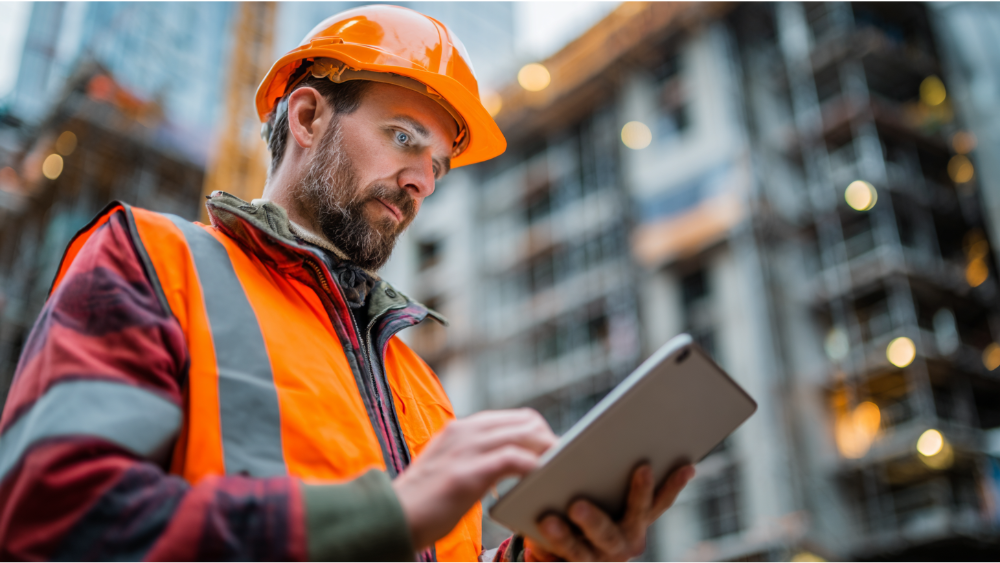
Responsibilities of a Custom Home Builder
A custom home builder oversees the construction process from start to finish. The builder coordinates subcontractors, manages construction materials, schedules inspections, supervises jobsite activity, and keeps the project moving forward.
Many home builder companies also provide project management services through a dedicated project manager who acts as the primary point of contact for clients during the building process. A good builder should offer consistent communication, provide updates on upcoming decisions, and help clients understand each phase of the process.
The best custom home builder will also help homeowners anticipate challenges before they become costly mistakes. This includes identifying site constraints, reviewing engineering requirements, and coordinating with consultants during pre-construction planning.
What Builders Typically Do Not Handle
Although some builders operate as a design-build firm, not every home builder handles architecture, engineering, surveying, or permitting in-house. Some builders rely on outside consultants or ask homeowners to hire their own design team.
Understanding whether the builder can handle design, permitting, and engineering coordination is extremely important. Without an integrated approach, projects may experience avoidable delays, communication breakdowns, and expensive redesigns during construction.
A design-build firm can simplify the custom home building process because architecture, engineering, and construction services operate under one roof. This often creates a smoother process and provides clients with a clearer picture of overall cost and schedule expectations.
Why Pre-Construction Planning Matters
One of the biggest causes of cost overruns during custom home building is incomplete planning before construction starts. If floor plan revisions, engineering updates, or design changes occur after permits are submitted or construction begins, the project can quickly become delayed and more expensive.
A successful project starts with complete plans, accurate engineering, and a clearly defined project scope. Builders can provide more accurate pricing when the design phase is completed properly before construction starts.
Verify Licensing, Insurance, and Credentials
Check California Licensing Requirements
Before hiring any builder, verify that the home builder has an active California contractor license. This is one of the first right questions homeowners should ask during the interview process.
A licensed custom home builder is required to meet state regulations, maintain bonding requirements, and follow California construction laws. Checking licensing records also helps identify complaints, disciplinary actions, or other concerns that may indicate a red flag.
Confirm Insurance Coverage
Insurance is another key consideration when hiring a home builder. The builder should carry general liability insurance and workers’ compensation coverage for all employees and subcontractors involved in building homes.
Without proper insurance, homeowners could face unexpected financial risk during construction.
Ask About Industry Associations
Membership in a local home builders association often demonstrates professionalism and ongoing industry involvement. Builders who participate in organizations like the National Association of Home Builders or a local home builders association are typically more informed about changing building codes, construction materials, and industry standards.
Look for Strong Communication Skills
Strong communication skills are essential throughout the custom home journey. A right builder should answer questions clearly, explain the process thoroughly, and maintain strong communication from the first meeting through move-in day.
If communication feels disorganized during the early stages, it will likely become worse once construction begins.
Review Experience With Similar Projects
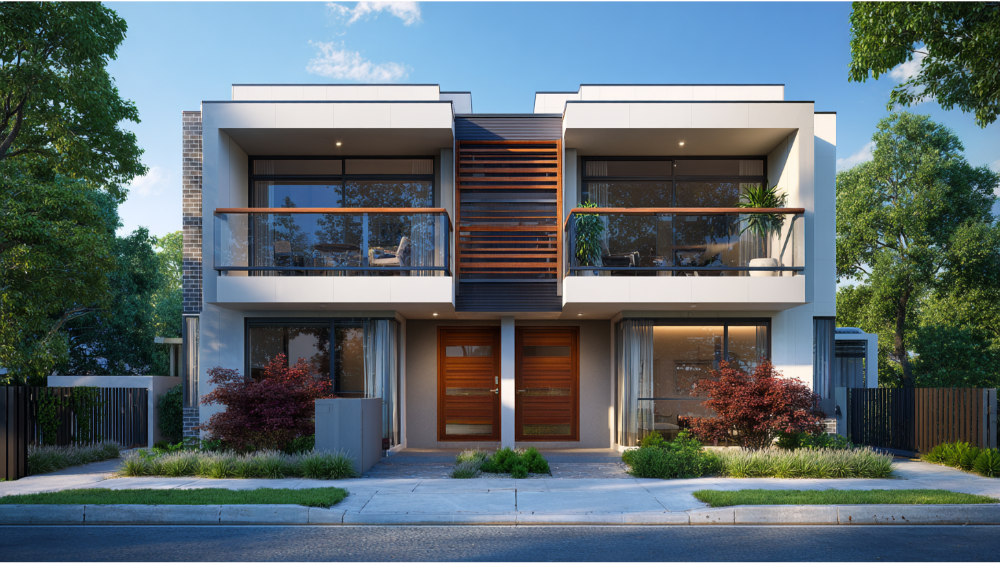
Ask About Their Past Work
Not every builder specializes in the same type of custom home. Some focus on luxury estates, while others primarily construct homes in suburban developments or rural communities.
Reviewing past work helps homeowners evaluate whether the builder has experience with similar projects. Ask to see completed homes that match your preferred style, square foot range, and budget expectations.
Speak With Previous Clients
One of the best ways to evaluate a custom home builder is by speaking directly with previous clients. Ask about communication, schedule reliability, construction quality, budget management, and how the builder handled unexpected challenges.
Previous clients can provide honest feedback about the process and explain whether they would recommend builders to friends or family.
Visit Active Job Sites and Open Houses
Touring active projects or attending open houses provides valuable insight into the builder’s organization and professionalism. Observe cleanliness, safety practices, material storage, and attention to detail.
Construction quality is easier to evaluate in person than through marketing photos alone.
Evaluate Local Expertise
A builder with local experience understands permitting requirements, zoning restrictions, grading issues, and utility coordination within your city or county. This expertise helps avoid delays and creates a smoother construction process.
Make Sure the Builder Understands Permitting and Planning
Why Permits Matter
Permitting plays a major role in the custom home building process. Delays often occur because plans are incomplete or engineering documents are missing.
A custom home project should include coordinated architectural drawings, structural calculations, grading plans, and utility layouts before permits are submitted.
The Importance of the Design Phase
The design phase sets the foundation for the entire project. During this phase, homeowners finalize the floor plan, exterior style, site layout, and interior selections.
Rushed planning often leads to design changes later in the process, which can increase cost and extend the construction schedule.
A professional design team can help clients refine their vision while ensuring the plans remain realistic for the property and budget.
Site Selection and Feasibility
Site selection affects every aspect of building a custom home. Soil conditions, topography, drainage requirements, and utility access all influence construction cost and timeline.
The right builder and design team will evaluate the property carefully before finalizing plans.
Understand the Builder’s Project Management Process
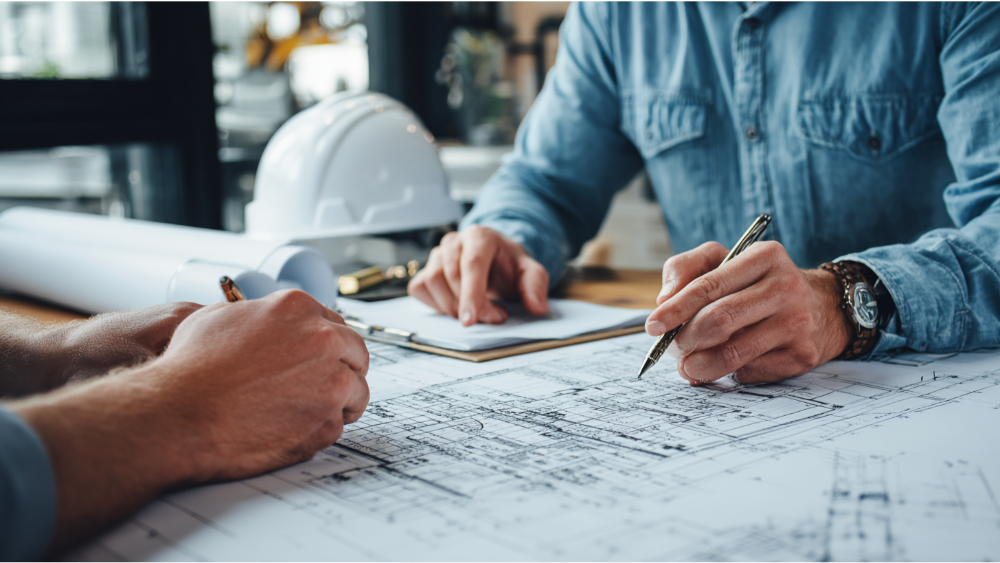
Ask About Project Management Structure
Every custom home builder approaches project management differently. Some companies assign a dedicated project manager who oversees scheduling, budgeting, subcontractor coordination, and communication throughout the project.
A dedicated project manager can improve organization and help build trust between clients and the builder.
Discuss Communication Expectations
Consistent communication is one of the most important factors in a successful project. Clients should know who to contact with questions and how often updates will be provided.
Strong communication creates confidence during the custom home building process and helps homeowners prepare for upcoming decisions.
Clarify the Construction Schedule
Before signing a construction contract, ask the builder to explain the expected construction schedule in detail. Discuss milestones for permitting, foundation work, framing, inspections, interior finishes, and move-in timelines.
Weather conditions, labor availability, and construction materials can all affect the schedule, so realistic expectations are important.
Understand Budget Tracking
Budget transparency is critical during custom home building. Homeowners should understand how allowances, upgrades, and design changes affect final pricing.
The right builder should provide clear documentation and explain how cost adjustments are handled throughout the process.
Review the Construction Contract Carefully
Understand the Project Scope
A detailed construction contract should clearly define the project scope, payment schedule, responsibilities, and warranty terms.
Vague agreements often lead to disputes later in the construction process.
Compare Fixed Fee and Cost Plus Pricing
Some builders use a fixed fee structure, while others operate under cost plus agreements. Homeowners should understand how each pricing method works before selecting a builder.
A fixed fee contract may provide more predictable budgeting, while cost plus arrangements can offer greater flexibility during custom home building.
Watch for Red Flags
Several warning signs may indicate problems with a builder. These include vague pricing, unrealistic schedules, pressure to sign quickly, poor communication, or unwillingness to provide references.
A red flag early in the process usually becomes a bigger issue during construction.
Evaluate Construction Quality and Attention to Detail
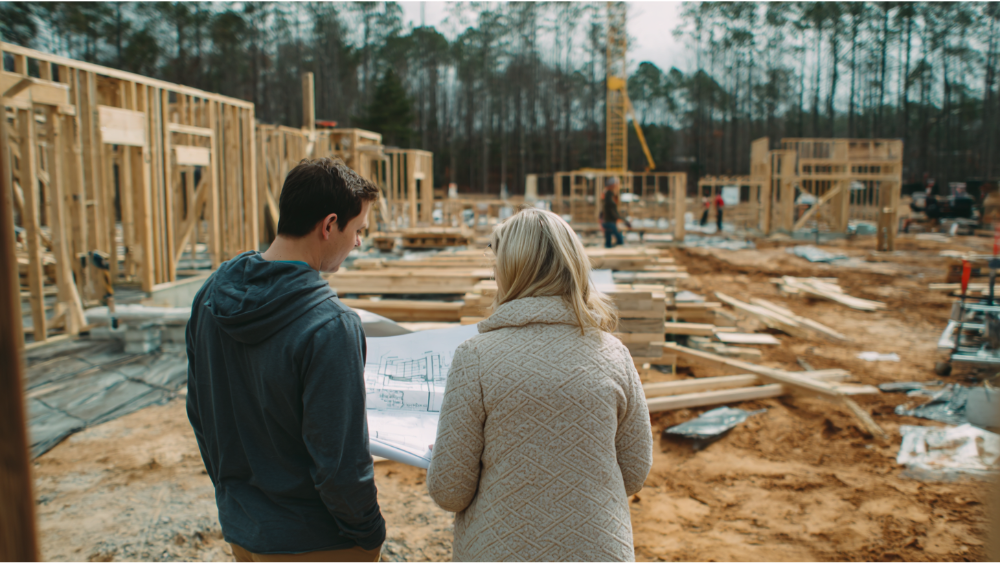
Inspect Completed Homes
Touring completed homes helps homeowners assess overall quality. Look closely at finishes, trim work, flooring alignment, cabinetry, and paint consistency.
The best custom home builder will demonstrate pride in craftsmanship and attention to detail throughout the house.
Ask About Construction Materials
Construction materials affect durability, maintenance, energy efficiency, and long-term value. Ask the builder which products and systems are included in the standard build.
Higher quality materials may increase upfront cost, but they often reduce maintenance expenses over time.
Understand Quality Control Procedures
A professional home builder should maintain quality control procedures throughout construction. This may include third-party inspections, superintendent reviews, and detailed punch list walkthroughs before move-in.
Understand the Benefits of a Design-Build Firm
Why an Integrated Approach Matters
A design-build firm combines architecture, engineering, and construction services under one roof. This integrated approach improves coordination between the builder, project manager, and design professionals.
When everyone works together from the beginning, homeowners receive a more personalized experience and a clearer picture of overall cost and timing.
Better Coordination During the Process
One of the biggest advantages of a design-build firm is reduced miscommunication during the process. Architects, engineers, and construction teams collaborate closely to resolve challenges before they affect the project.
This can reduce design changes, improve efficiency, and create a smoother process from start to finish.
Improved Budget and Schedule Management
Integrated teams often provide better project management because all departments communicate directly throughout the custom home building process.
This collaboration helps clients maintain control over budget, schedule, and construction decisions.
Questions to Ask Before Hiring a Custom Home Builder
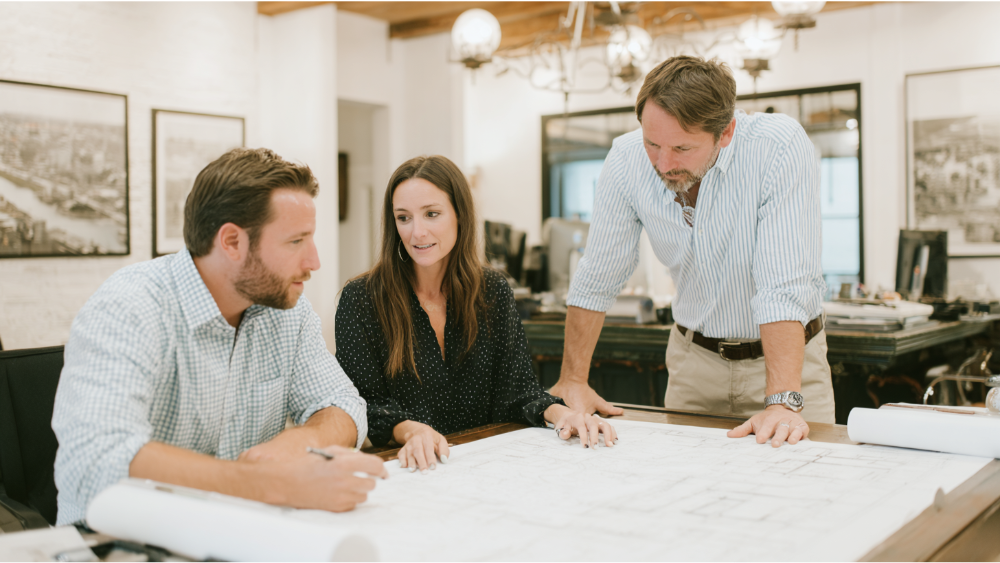
Homeowners should prepare a list of right questions before meeting with potential builders. The right questions help reveal experience, communication style, and project management capabilities.
Important questions to ask include:
- How many custom home projects similar to mine have you completed?
- Who will serve as the project manager during construction?
- Can you provide references from previous clients?
- How do you handle design changes after permits are approved?
- What construction materials are included in the standard build?
- How often will communication updates be provided?
- What is your process for handling scheduling delays?
- Do you operate as a design-build firm?
- Who handles permitting and engineering coordination?
- What should I expect during each phase of the custom home journey?
Asking the right questions helps homeowners identify the right custom home builder for their goals, vision, and budget.
Common Mistakes Homeowners Make When Hiring a Builder
Choosing Based Only on Price
Selecting the lowest bid can lead to poor quality, hidden costs, and delays later in the building process.
Skipping Research
Failing to review past work, verify licensing, or speak with previous clients increases project risk.
Underestimating Design Changes
Frequent design changes during construction often create schedule delays and increase cost.
Ignoring Communication Problems
Strong communication is essential during custom home building. If communication is inconsistent early in the process, problems may continue throughout the project.
Rushing the Design Phase
The design phase should never be rushed. Careful planning helps clients refine their dream home vision while minimizing expensive revisions later.
Frequently Asked Questions
How do I verify a custom home builder’s credentials?
Check that the builder holds an active state contractor license, carries general liability and workers’ compensation insurance, and is a member of reputable industry associations. You can verify licensing status through your state’s licensing board.
Why is it important to ask for references from previous clients?
Speaking with past clients provides firsthand insight into the builder’s workmanship, communication style, ability to stay on schedule, and how they handle challenges. References help you gauge reliability and customer satisfaction.
What should I expect in a custom home building contract?
A thorough contract outlines the project scope, payment schedule tied to completed milestones, timelines, responsibilities, and procedures for design changes or delays. Avoid vague contracts that lack clear terms.
How can I evaluate a builder’s experience with similar projects?
Request to see a portfolio of completed homes matching your style and budget. Touring active job sites or open houses allows you to assess quality, attention to detail, and site organization.
What is the difference between a fixed fee and cost-plus contract?
A fixed fee contract offers a set price for the project, providing budget predictability. A cost-plus contract bills actual costs plus a builder’s markup, which can range from 8% to 25%, offering flexibility but less predictability.
How long does the custom home building process typically take?
The process varies but often ranges from 10 to 24 months, including design, permitting, and construction phases. Discuss realistic timelines with your builder and ensure the contract includes provisions for handling delays.
Final Thoughts
Hiring the right builder is one of the most important decisions in building a custom home. The right custom home builder will combine expertise, organization, quality craftsmanship, and strong communication throughout the custom home journey.
Homeowners should carefully evaluate potential builders, review completed homes, speak with previous clients, and understand how the builder approaches project management, budgeting, and scheduling.
A successful custom home project requires more than just construction expertise. It requires planning, collaboration, and a professional team that understands every stage of the building process. From site selection and design phase coordination to permitting and move-in preparation, every decision affects the final result.
Whether you are planning your first dream house or building homes as long-term investments, taking time to choose the right builder can help protect your budget, avoid costly mistakes, and bring your vision to life with confidence and quality.