
08 May
- Golden State Digital Exchange
- Comment 0
What Role Does Civil Engineering Play in Site Preparation?
Understanding the role civil engineering plays in site preparation is essential for anyone planning residential construction, commercial development, or large-scale infrastructure projects. Before construction begins, a property must be evaluated, engineered, graded, and prepared to support safe and efficient building activity. Civil engineers play a central role in this process because they help transform undeveloped land into a functional and buildable construction site.
The civil engineering profession supports the construction industry by developing systems and solutions that improve drainage, grading, utility coordination, transportation systems, and long-term site performance. Civil engineers work on everything from residential construction projects and commercial developments to transportation engineering and mass transit systems. Their responsibilities often include site analysis, environmental engineering, construction administration, and project management.
For residential construction, civil engineers assess existing site conditions and prepare design plans that help projects comply with local building codes, environmental regulations, and permitting requirements. Civil engineering firms often coordinate with structural engineers, geotechnical engineering consultants, construction engineers, and local governments to ensure construction projects move forward efficiently.
At Golden State Digital Exchange, our team understands that successful site preparation begins with careful planning, technical expertise, and coordination between multiple disciplines. Civil engineers work closely with architects, surveyors, contractors, and other engineers to develop practical solutions that support safe and efficient development throughout California, highlighting what role does civil engineering play in site preparation to ensure every project’s foundation is solid and compliant.
What Is Site Preparation in Construction?
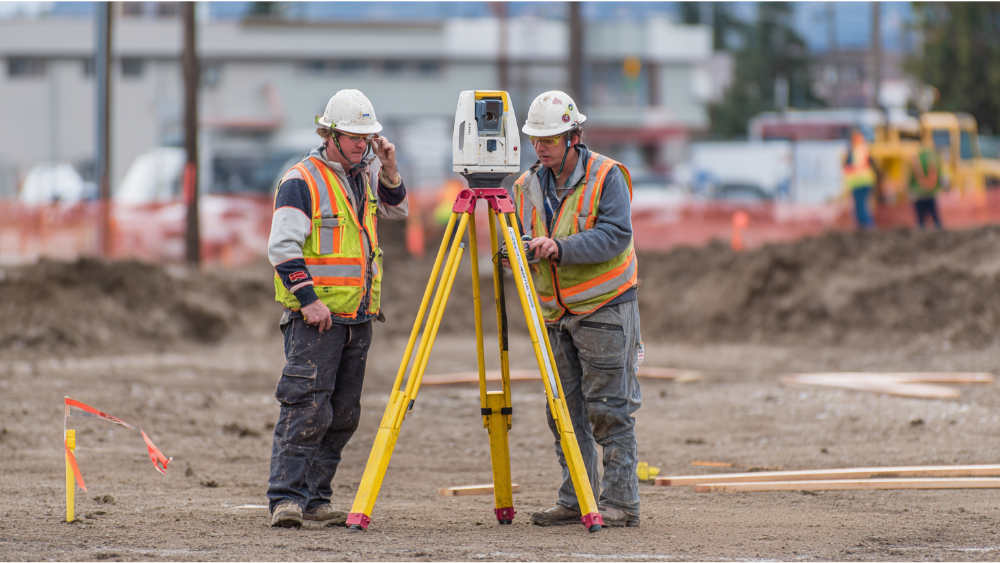
Site preparation is the process of preparing a property for development before vertical construction begins. This stage involves transforming raw land into a stable and construction-ready site capable of supporting residential buildings, infrastructure systems, and other improvements.
The Site Preparation Process May Include:
- Site analysis
- Land surveying
- Utility coordination
- Site grading
- Drainage systems
- Excavation and earthwork
- Erosion control
- Environmental impact review
- Access improvements
- Construction documents
Civil engineers provide engineering services that help determine how the property can safely support construction projects. During this phase, civil engineers assess soil conditions, drainage patterns, utility access, and environmental constraints that may affect the project.
Many civil engineers specialize in land development and residential construction because these projects require extensive coordination between grading, drainage, utilities, and permitting agencies. Civil engineers design systems that support both the immediate construction process and the long-term performance of the property.
Why Proper Site Preparation Matters
Proper site preparation is critical because it directly affects structural integrity, drainage performance, and construction efficiency. Without proper planning, residential projects can experience erosion problems, unstable foundations, utility conflicts, and costly delays.
Civil engineers play an important role in helping projects comply with environmental standards and local building codes before construction begins. Their work helps ensure approved plans can be implemented efficiently during construction oversight and construction administration.
The construction industry relies heavily on civil engineers because they identify potential issues early in the development process. Through comprehensive site analysis, civil engineers assess grading conditions, drainage systems, and environmental impact concerns that could affect construction support later.
Most civil engineers understand that poorly prepared sites often create expensive field changes during residential construction projects. By coordinating engineering mechanics, grading requirements, and utility systems early, civil engineers provide solutions that improve long-term project performance.
What Does a Civil Engineer Do During Site Preparation?
Civil engineers work across many disciplines during site preparation. They are responsible for evaluating site conditions, preparing design plans, and coordinating infrastructure systems that support construction activity.
Civil engineers work closely with contractors, local governments, geotechnical engineering consultants, and structural engineers during the early planning phases of development. This team effort allows construction projects to move forward with fewer delays and fewer unforeseen issues.
Site Evaluation and Existing Conditions Analysis
One of the first tasks civil engineers perform is a detailed site analysis. They assess topography, drainage patterns, environmental constraints, and utility access before any grading or construction begins.
A comprehensive site analysis may include:
- Topographic surveys
- Utility mapping
- Flood zone review
- Drainage evaluation
- Environmental considerations
- Soil review
- Access evaluation
- Easement analysis
Civil engineers plan around these conditions to determine how the site can safely support residential buildings and infrastructure systems. Geotechnical engineering often plays a major role during this phase because soil conditions directly affect grading, drainage systems, and foundation performance.
Civil engineers assess whether retaining walls, slope stabilization, or drainage improvements are necessary before construction begins. In many cases, construction firms rely on these early evaluations to determine the project’s economic feasibility.
Environmental engineering considerations are also important during site analysis because projects must comply with environmental regulations established by local governments and federal agencies.
Grading and Earthwork Design
Site grading is one of the most important components of site preparation. Civil engineers design grading plans that establish elevations, direct water runoff, and prepare stable building pads for residential construction.
Civil engineers plan earthwork activities that may involve:
- Cut and fill calculations
- Pad preparation
- Slope stabilization
- Drainage systems
- Access grading
- Retaining wall coordination
- Soil compaction
- Erosion control
They play a key role in ensuring site grading aligns with approved plans and regulatory compliance requirements. Proper grading helps protect structural integrity and reduce environmental impact throughout the life of the project.
Construction engineers and civil engineers work together during grading operations to verify elevations and drainage performance throughout the construction process.
Drainage and Stormwater Management
Drainage systems are essential for protecting residential buildings and infrastructure projects from water damage. Civil engineers design drainage systems that move stormwater safely across and away from the property.
Drainage solutions may include:
- Catch basins
- Surface swales
- Storm drain systems
- Retention basins
- Erosion control measures
- Water quality improvements
Environmental engineering and transportation engineering often overlap during drainage planning because runoff can affect nearby roads, transportation systems, and public infrastructure.
Civil engineers assess how stormwater may affect neighboring properties and environmental standards before construction begins. Many civil engineers also coordinate with federal agencies and local governments to ensure projects comply with environmental regulations.
Utility Coordination
Utility planning is another major responsibility during site preparation. Civil engineers work with utility providers and construction firms to coordinate:
- Water systems
- Sewer connections
- Storm drainage
- Electrical infrastructure
- Gas systems
- Dry utilities
They work closely with other engineers during utility coordination because conflicts between underground systems can delay the construction process.
Modern infrastructure depends heavily on careful utility planning. Civil engineering firms help organize infrastructure layouts that support residential construction and long-term development goals.
Improvement Plans and Construction Documents
Civil engineers prepare construction documents that contractors and permitting agencies use throughout development.
Construction documents may include:
- Site grading plans
- Utility plans
- Drainage systems
- Erosion control details
- Construction support notes
- Engineering calculations
- Improvement plans
Civil engineers design these documents using computer-aided design software to improve accuracy and coordination. Construction administration teams often rely on these plans during construction oversight to verify compliance with approved plans.
Why Civil Engineering Is Essential Before Construction Begins
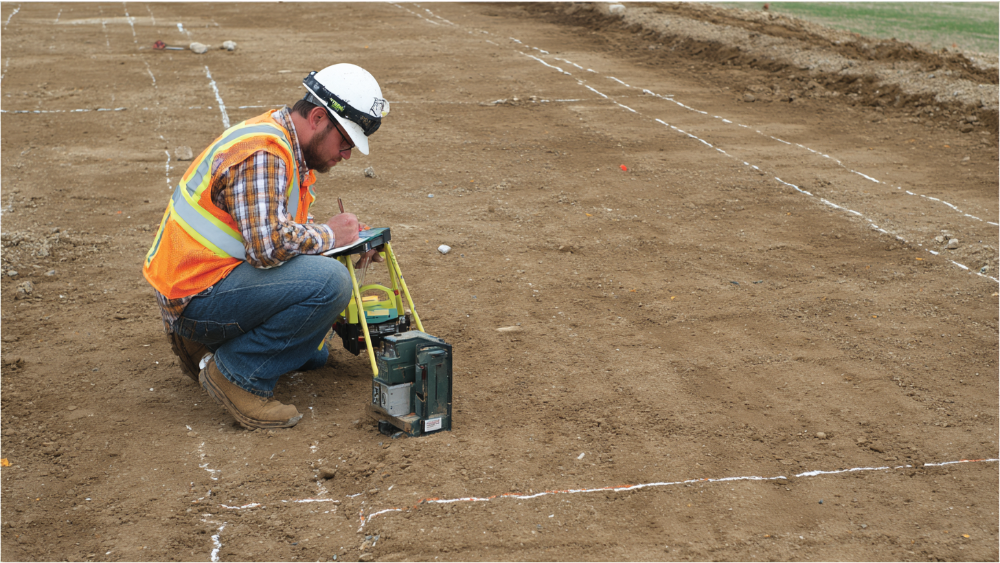
Civil engineers play a foundational role in residential construction because many site-related issues develop before vertical building starts.
Preventing Drainage and Water Problems
Drainage systems protect residential buildings from standing water, erosion, and foundation damage. Civil engineers assess runoff patterns and create grading solutions that improve drainage performance across the property.
They provide practical solutions that reduce environmental impact while supporting long-term site stability. Proper drainage planning is especially important for residential projects located on sloped terrain or in areas with strict environmental regulations.
Reducing Construction Delays
Construction projects often encounter delays when grading conflicts, utility issues, or environmental constraints are discovered too late.
Civil engineers work proactively to identify these issues during early site analysis and design development. Their involvement helps construction firms reduce redesigns, improve scheduling, and maintain construction support throughout the project lifecycle.
Construction management teams frequently rely on civil engineers because they understand how grading, utilities, and drainage systems affect the overall construction process.
Supporting Code Compliance
Civil engineers help ensure projects comply with local building codes, environmental standards, and permitting requirements established by local governments.
Regulatory compliance may involve:
- Grading permits
- Stormwater requirements
- Utility standards
- Environmental impact review
- Public infrastructure coordination
Professional engineers are responsible for preparing technical documentation that supports permit approvals. These licensed experts are often called professional engineers because state licensure generally requires education, examination, and professional experience.
Each state has its own licensure requirements for civil engineers and structural engineers working on construction projects.
Improving Long-Term Site Performance
Civil engineers play an important role in improving long-term property performance through careful planning and engineering mechanics.
Proper engineering can help:
- Improve structural integrity
- Reduce erosion
- Improve drainage systems
- Protect utilities
- Support environmental considerations
- Extend infrastructure lifespan
Most civil engineers understand that early planning significantly affects future maintenance costs and site performance.
The Site Preparation Process Step by Step
The construction process involves multiple phases that require coordination between civil engineers, structural engineers, contractors, and permitting agencies.
Step 1 | Land Surveying and Site Analysis
The first phase typically includes land surveying and site analysis. Civil engineers assess property boundaries, topography, utility locations, and drainage patterns before design work begins.
Geotechnical engineering consultants may also review soil conditions to determine whether the site can safely support residential construction projects.
Step 2 | Civil Engineering Design
Once the site analysis is complete, civil engineers plan grading layouts, drainage systems, and utility infrastructure.
Civil engineers design:
- Site grading plans
- Utility systems
- Drainage systems
- Access improvements
- Erosion control measures
- Infrastructure layouts
Transportation engineering may also influence roadway access and circulation planning for larger residential projects and major projects.
Step 3 | Permitting and Agency Review
Local governments review construction documents before grading or construction begins.
Civil engineering firms often coordinate directly with:
- Public works departments
- Planning agencies
- Utility providers
- City engineer offices
- Federal agencies
Civil engineers provide technical documentation and revisions that help projects comply with permitting standards and environmental regulations.
Step 4 | Site Clearing and Earthwork
Once permits are approved, construction firms begin physical site preparation activities.
This phase may include:
- Vegetation removal
- Excavation
- Rough grading
- Soil compaction
- Drainage installation
- Utility trenching
Construction engineers and civil engineers often provide construction oversight during this stage to ensure work aligns with approved plans.
Step 5 | Infrastructure Installation
Infrastructure installation includes utilities, drainage systems, and roadway improvements.
Infrastructure projects may involve:
- Sewer systems
- Water lines
- Storm drains
- Transportation systems
- Utility infrastructure
Modern infrastructure depends on coordination between many civil engineers, contractors, and other engineers working together throughout the construction process.
Step 6 | Final Grading and Construction Readiness
Final site grading prepares the property for foundations, paving, landscaping, and residential buildings.
Civil engineers assess final elevations and drainage conditions before vertical construction begins. Construction administration teams may also verify that grading work matches approved plans and construction documents.
Common Site Challenges Civil Engineers Help Solve
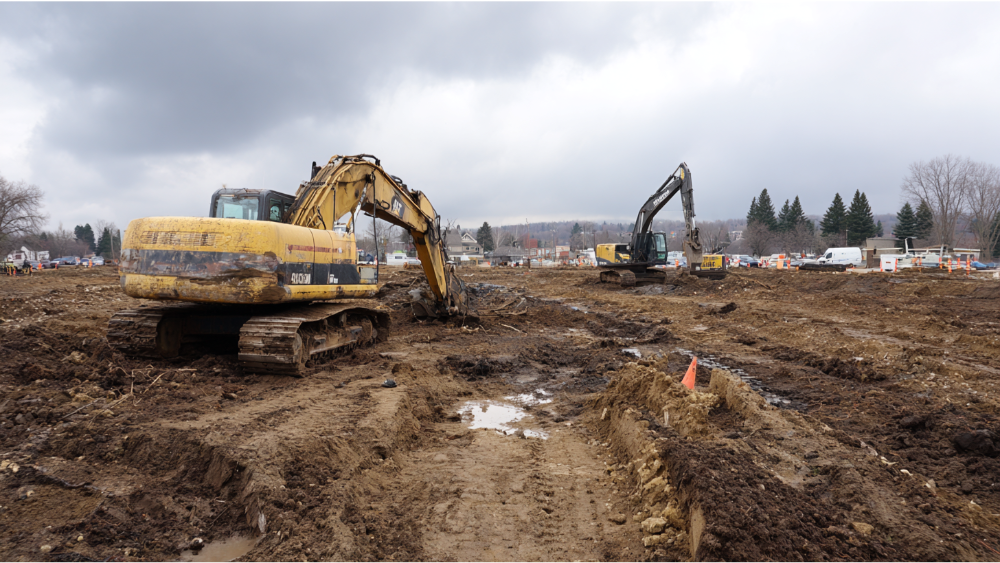
Civil engineers work on a wide variety of complex projects involving challenging terrain, utility limitations, and environmental considerations.
Sloped Lots and Drainage Issues
Residential construction on sloped properties often requires specialized geotechnical engineering and drainage planning.
Civil engineers assess slope stability, runoff patterns, and erosion risks before construction begins. They play a major role in developing grading strategies that improve site safety and functionality.
Poor Soil Conditions
Geotechnical engineering is essential when unstable soil conditions threaten structural integrity.
Civil engineers work closely with geotechnical engineering consultants to evaluate:
- Soil stability
- Compaction requirements
- Drainage conditions
- Foundation support
- Environmental impact concerns
Structural engineers design foundation systems that respond to these conditions and support safe residential construction.
Flood Risk and Stormwater Requirements
Environmental engineering requirements are increasingly important for residential projects throughout California.
Civil engineers assess flood zones, stormwater runoff, and environmental impact concerns that may affect permitting and construction support.
Environmental regulations established by federal agencies and local governments often require extensive drainage analysis and erosion control measures before approved plans can move forward.
Utility Access Constraints
Utility conflicts are common during residential construction projects.
Civil engineers work closely with utility providers and construction firms to coordinate infrastructure placement and avoid costly field conflicts during the construction process.
Tight Urban Infill Conditions
Urban residential construction often involves limited space, neighboring structures, and strict local building codes.
Civil engineers provide practical solutions that improve access, drainage, grading, and utility coordination for tight development sites.
Civil Engineering for Different Project Types
Different types of development require different civil engineering specialty services.
Custom Homes
Residential construction projects involving custom homes often require detailed site grading, drainage systems, utility coordination, and construction support.
Civil engineers work with structural engineers and architects to prepare sites for safe construction.
ADUs
Residential projects involving accessory dwelling units may require utility upgrades, drainage modifications, and environmental engineering review depending on the site layout.
Multi-Family Developments
Many civil engineers specialize in large residential projects involving apartments and townhomes because these developments require careful coordination between grading, utilities, transportation systems, and drainage systems.
Townhome Projects
Townhome developments are considered complex projects because they involve shared infrastructure systems, roadway access, and utility coordination.
Civil engineers design improvement plans that support long-term site functionality.
Land Subdivisions
Land development projects rely heavily on civil engineering firms to coordinate infrastructure projects, utility systems, roadway improvements, and environmental regulations.
Commercial Site Development
Construction projects involving commercial properties may require transportation engineering, environmental engineering, and construction management coordination throughout the development process.
How Civil Engineering Impacts Permitting and Approvals
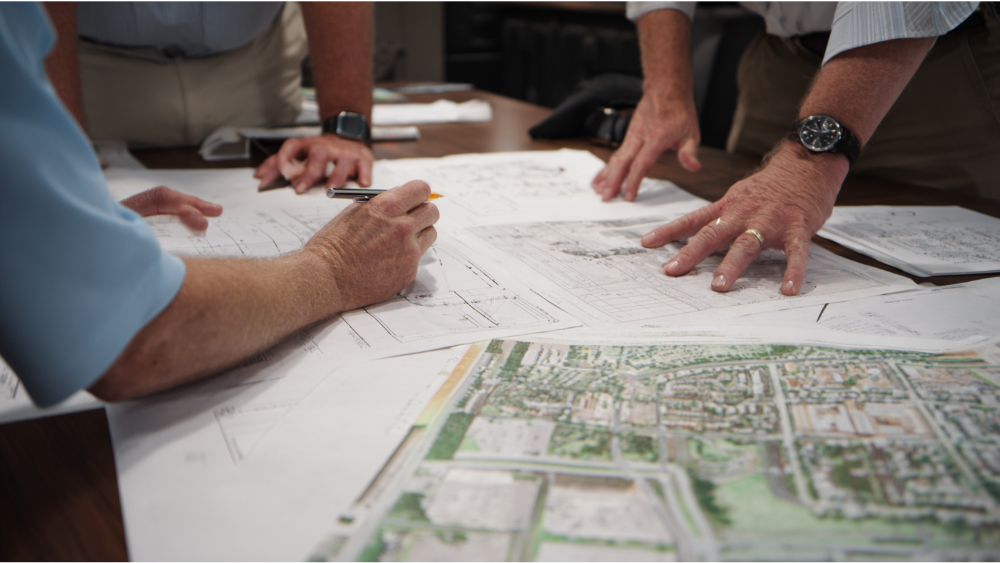
Civil engineers provide technical expertise that supports permitting approvals and regulatory compliance.
Preparing Permit-Ready Plans
Professional engineers prepare construction documents that demonstrate how projects comply with grading, drainage, utility, and environmental standards.
Coordinating With Local Agencies
Civil engineers work with local governments, public agencies, and city engineer departments throughout the review process.
Meeting California Stormwater Standards
Environmental engineering requirements often involve stormwater management, erosion control, and environmental impact mitigation strategies.
Supporting Inspection and Construction Requirements
Construction administration and construction oversight help ensure contractors follow approved plans during grading and infrastructure installation.
Choosing the Right Civil Engineering Team for Site Preparation
Selecting experienced civil engineering firms can significantly improve project efficiency and permitting success.
Experience With Local Jurisdictions
Many civil engineers understand that every jurisdiction has unique environmental regulations, permitting requirements, and infrastructure standards.
Integrated Engineering and Design Services
Civil engineers work closely with structural engineers, construction engineers, architects, surveyors, and other engineers as part of a coordinated team effort.
Coordination With Architects and Contractors
Structural engineers design foundation and framing systems that depend heavily on accurate grading and utility planning.
Successful residential construction requires strong communication between engineering services teams and construction firms.
Importance of Accurate Documentation
Construction documents prepared through computer-aided design software help contractors follow approved plans more efficiently during construction support and construction oversight activities.
Strong organizational skills are essential for engineers managing major projects, administrative positions, and supervisory or administrative positions within the civil engineering profession.
Many civil engineers eventually move into project management, construction management, or administrative positions where they oversee large infrastructure projects and coordinate engineering teams.
The civil engineering specialty continues to evolve as modern infrastructure, environmental standards, and transportation engineering systems become more advanced.
Structural analysis, building materials selection, and engineering mechanics all contribute to successful site development and residential construction performance.
Frequently Asked Questions
What is the role of a civil engineer in site preparation?
Civil engineers plan grading, drainage systems, utility layouts, and infrastructure improvements that prepare land for construction.
Why are grading plans important before construction?
Site grading establishes proper elevations, improves drainage performance, and supports structural integrity before construction begins.
Does every construction project need civil engineering?
Many residential construction projects require engineering services involving grading, drainage systems, utility planning, and environmental engineering review.
How does geotechnical engineering support site preparation?
Geotechnical engineering evaluates soil conditions that affect foundations, grading, and long-term site stability.
How do civil engineers support residential construction?
Civil engineers provide site analysis, drainage planning, utility coordination, and permitting support for residential buildings and residential projects.
Conclusion
Civil engineers play a critical role in preparing sites for safe, efficient, and code-compliant construction. From transforming raw land into buildable property to coordinating drainage systems, utilities, grading, and environmental engineering requirements, civil engineers provide the technical expertise needed for successful development.
Whether supporting residential construction, infrastructure projects, or major projects involving transportation systems and modern infrastructure, civil engineers work closely with structural engineers, contractors, and local governments throughout the construction process.
At Golden State Digital Exchange, our civil engineering professionals understand the importance of careful planning, regulatory compliance, and construction support. Through comprehensive site analysis, practical solutions, and coordinated engineering services, our team helps clients move construction projects forward with confidence.