

Partnered with #1 ADU Builders
13 Feb
- Golden State Design & Engineering
- Comment 0
What Should Be Included in My House Design Plans?
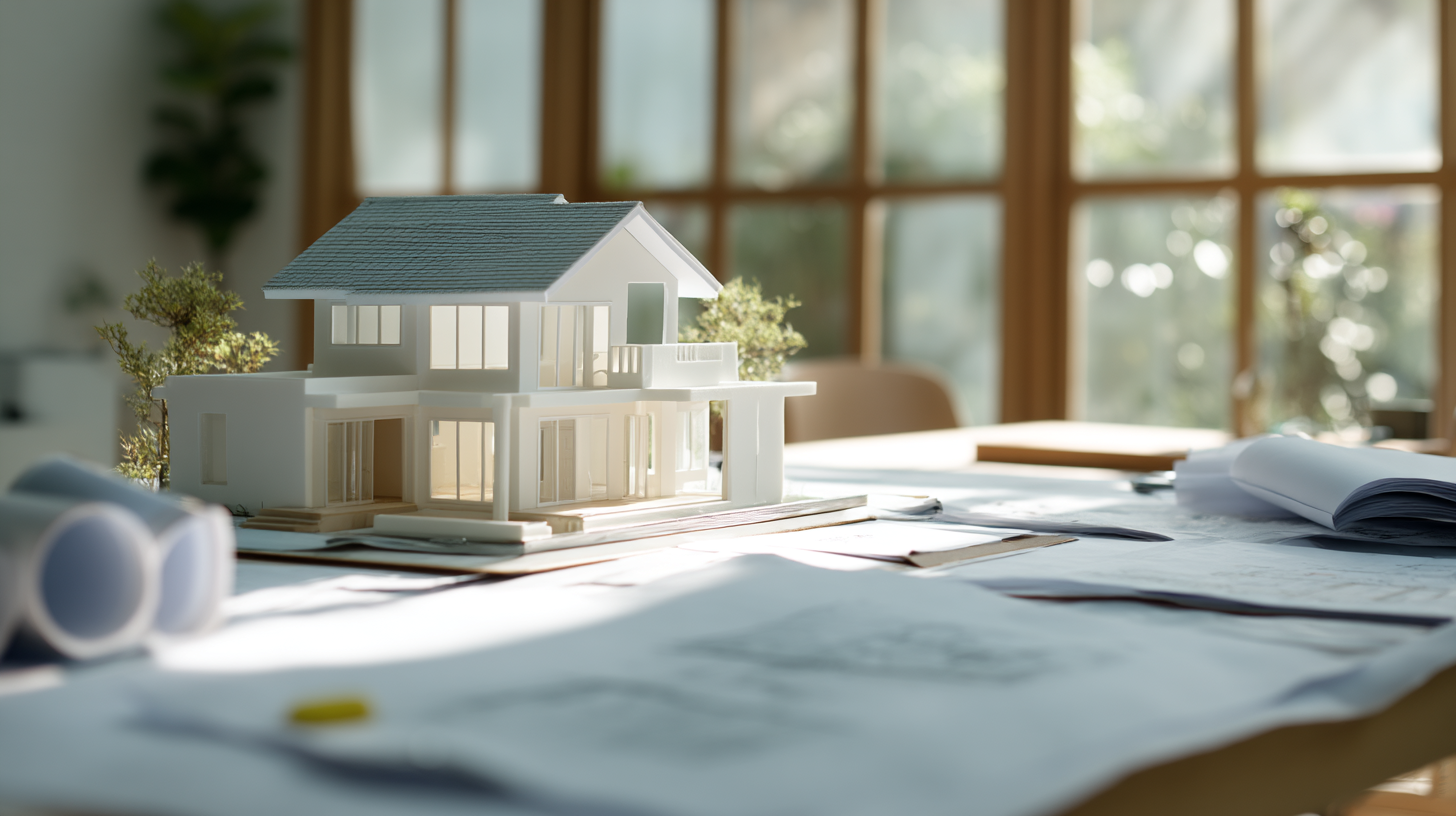
Understanding what should be included in my house design plans is one of the most important steps when creating a new home or preparing for major construction. A complete house plan set is not just a visual concept, it is a coordinated package of construction documents that guides architects, engineers, builders, contractors, and city reviewers through the entire process. When plans are clear, detailed, and compliant with building codes and local codes, the project is far more likely to be built efficiently, approved quickly, and aligned with your vision.
This guide explains what should be included in my house design plans in 2025, following the same outline and section order, while diving deeper into the practical details homeowners often overlook. Whether you are planning a custom home, evaluating stock plans, or preparing for permitting, this article breaks down how house plans are created and what they must contain to support a successful build.
Why Comprehensive House Design Plans Are Essential
House design plans serve as the primary communication tool for construction. They define how the house will be built, how the spaces function, and how the project complies with building codes. A complete plan reduces uncertainty for the builder, minimizes change orders, and gives contractors a clear roadmap to follow during construction.
Designing house plans properly also protects homeowners. Incomplete or vague plans often lead to delays, budget overruns, or failed inspections. A well developed house plan allows everyone involved to determine scope, pricing, and sequencing before construction begins. This is especially important for a new home or a complex renovation where multiple trades must coordinate closely.
Core Components Every House Plan Should Include
Floor Plans
The floor plan is one of the most critical parts of a house plan. Floor plans provide an overhead view or top view of each floor level and show how rooms, walls, doors, and windows are arranged. This drawing allows everyone to understand the layout, room dimensions, and circulation throughout the house.
Floor plans focus on function and flow. They show interior walls, load bearing walls, stairs, built ins, appliances, and how rooms connect. A clear floor plan also identifies the first floor, upper floors, or basement levels, making it easier to visualize daily living. For most projects, floor plans include ceiling heights, floor heights, and notes on ceiling conditions that affect construction.
Well prepared floor plans help the builder determine how the house will be built and help homeowners decide if the layout truly supports their dream home vision.
Site Plan
A site plan shows how the house sits on the property. It includes property lines, setbacks, easements, driveway location, utilities, and grading information. The site plan connects the house plan to the actual location where construction will occur.
This drawing is essential for compliance with local codes and zoning regulations. It allows reviewers to confirm that the house shape, footprint, and location meet building codes and planning requirements. The site plan often relies on survey data prepared by a local engineer or surveyor and must coordinate closely with the foundation plan.
Exterior Elevations
Exterior elevations show the outside appearance of the house from the front, rear, and sides. These drawings define architectural features, exterior materials, window proportions, door placement, and roof shape. Exterior elevations also show vertical relationships, such as floor heights, ceiling heights, and overall building height.
City planning departments often review exterior elevations carefully to ensure the house fits the neighborhood context and complies with design standards. For homeowners, exterior elevations are where architectural design becomes tangible, turning ideas into a buildable exterior form.
Roof Plan
The roof plan is a separate drawing that illustrates the roof layout from above. It shows ridges, valleys, slopes, overhangs, and drainage paths. This plan is essential for roof framing, waterproofing, and coordination with mechanical systems.
The roof design also affects ceiling conditions inside the house, especially in spaces with vaulted ceilings or exposed structural elements. A well coordinated roof plan supports both structural performance and architectural intent.
Building Sections and Construction Details
Building sections and cross sections provide a vertical cut through the house. These drawings show how floors, walls, ceilings, and roof components stack together. A building section clarifies floor heights, ceiling heights, wall sections, and structural details that cannot be understood from floor plans alone.
Construction details zoom in further, illustrating how materials connect at critical points such as windows, doors, foundations, and roofs. These details are a key part of construction drawings and help contractors build accurately.
Structural and Technical Drawings Beyond the Basics
Foundation Plans
The foundation plan defines how the house is supported by the ground. It shows footings, slabs, stem walls, and piers, along with reinforcement requirements. Whether the house uses a slab on grade, crawl space, or basement, the foundation plan must reflect soil conditions and structural requirements.
Foundation plans are typically developed with input from a structural engineer and may be influenced by site conditions and building codes. A well designed foundation supports the entire house and reduces the risk of long term issues.
Framing Plans and Structural Elements
Framing plans show how the structural elements of the house are arranged. This includes beams, joists, studs, shear walls, and other load bearing walls. These drawings define how loads travel from the roof down to the foundation.
Structural details within the framing plans ensure that the house can resist gravity loads and lateral forces such as wind or seismic activity. Coordination between architects and the structural engineer is critical to avoid conflicts between layout and structure.
Electrical Plan and MEP Coordination
An electrical plan shows the location of outlets, switches, lighting fixtures, panels, and circuits. It works together with mechanical and plumbing drawings to create a coordinated system. The electrical plan also addresses lighting design, appliance connections, and specialty systems.
Mechanical drawings typically show air conditioning equipment, duct routes, and ventilation. Plumbing drawings define fixture locations and piping. Together, these technical drawings ensure comfort, safety, and functionality while meeting building codes.
Lifestyle and Design Features Homeowners Often Forget
Functional Spaces and Interior Planning
Good house plans go beyond basic rooms. They consider how spaces are used daily and how they connect. Built ins, storage areas, mudrooms, and flexible spaces add long term value. Interior elevations may be used to show cabinetry, wall finishes, and architectural details in kitchens, bathrooms, and living areas.
Thoughtful planning of walls and doors improves privacy, acoustics, and circulation. Clear room dimensions help homeowners visualize furniture placement and everyday use.
Sustainability and Systems Planning
Modern house plans often incorporate energy efficiency and system planning early in the design process. Ceiling design, insulation strategies, and window placement all affect energy performance. Proper planning for air conditioning, ventilation, and future technology upgrades supports comfort and adaptability.
How Your House Design Plans Support Permitting
Permitting agencies require complete and accurate construction documents. These include architectural drawings, structural drawings, and technical drawings that demonstrate compliance with building codes. Many jurisdictions require an architect’s stamp or engineer approval before issuing permits.
Incomplete plans can delay approval or require costly revisions. Well prepared house plans help reviewers quickly determine compliance with local codes and safety standards.
What Homeowners Can Provide to Improve the Design Process
Homeowners play an important role in the design process. Providing clear goals, budget expectations, and inspiration helps architects shape the plan effectively. Early decisions about layout, materials, and exterior style reduce revisions later.
Information such as surveys, soils reports, and HOA guidelines also supports accurate planning. When homeowners actively participate, the project typically moves more efficiently from concept to construction.
Working With a Full Service Design and Engineering Firm
A full service team brings architects, engineers, and technical specialists together. This integrated approach improves coordination and reduces conflicts between architectural design and structural requirements. Builders benefit from clear, consistent drawings, and contractors can price the project more accurately.
For complex projects, working with a local engineer and experienced architects ensures that the house plan responds to site conditions, regulations, and construction realities.
Final Checklist of What Your House Design Plans Should Include
A complete house plan set typically includes floor plans, a site plan, exterior elevations, a roof plan, foundation plan, framing plans, electrical plan, building sections, interior elevations, wall sections, and detailed construction drawings. Together, these elements form the construction documents needed to build the house as intended.
FAQs About House Design Plans in 2025
Do I need stamped plans for a house or addition
Most jurisdictions require plans reviewed and stamped by licensed professionals. An architect’s stamp or engineer approval confirms compliance with building codes and structural safety.
Can I use stock plans
Stock plans can work for some projects, but they often require modification to meet local codes, site conditions, and personal needs. Customization is typically required before permitting.
How long does it take to create house plans
The process varies based on project complexity, but designing and documenting a custom home typically takes several weeks to a few months.
Why details matter in construction drawings
Details clarify how materials connect and how the house is built. Clear details reduce errors during construction and help contractors follow the plan accurately.
Conclusion
Knowing what should be included in my house design plans allows homeowners to approach construction with confidence. A well prepared house plan is more than a drawing, it is a comprehensive guide that supports every phase of building. By investing in complete, coordinated plans, homeowners set the foundation for a successful project that reflects their vision and stands the test of time.
#NAICS’s:
- 541310 Architectural Services &
- 541330 Engineering Services
DUNS NO:
- 119132267
#SIC’s
- 8712 Architectural Services &
- 8711 Engineering Services
Cage #
- 9R4L5
#UNSPSC’s:
- 81101500, 81101502, 81101505, 81101508, 81101526, 81101533, 81101522