
15 May
- Golden State Digital Exchange
- Comment 0
What Happens During a Building Permit Inspection?
Many homeowners ask what happens during a building permit inspection because the inspection process can feel unfamiliar and stressful. Building permit inspections are a required part of the building permit process for most residential and commercial construction projects. During the permit inspection process, a city inspector will visit the site to verify that the work follows approved plans, current code requirements, and local safety standards. The purpose of permit inspections is to ensure safety, protect occupants, and confirm code compliance before a project moves to the next stages of construction.
Whether you are building a custom house, adding an ADU, remodeling walls inside an existing structure, or completing plumbing and electrical upgrades, building permits and inspections are vital. Many jurisdictions throughout California now use online systems for scheduling inspections, submitting revisions, and tracking approval status. Understanding the home inspection process ahead of time can help homeowners prepare, avoid code violations, and reduce delays during construction.
What Is a Building Permit Inspection?
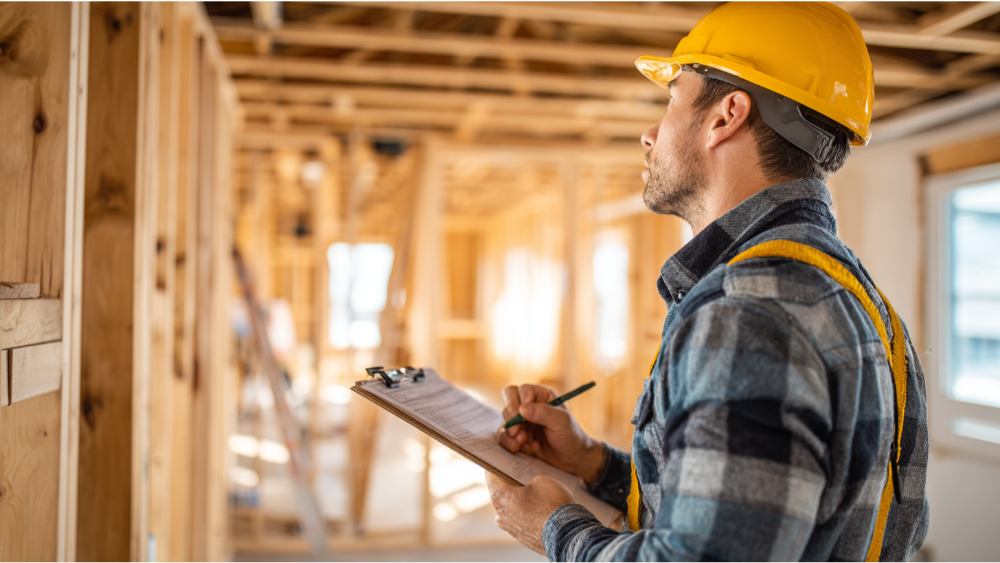
A building permit inspection is an official inspection performed by a local authority during different stages of a construction project. The inspector is responsible for reviewing the work and making sure it complies with approved building plans and local building standards. Building permit inspections help verify that contractors follow proper installation methods for structural, plumbing, electrical, and mechanical systems.
Permit inspections are required because unsafe construction can create major safety issues for homeowners and occupants. During the inspection process, inspectors evaluate whether the work meets code compliance and local safety requirements before approval is granted.
The Purpose of Permit Inspections
The main purpose of building permit inspections is to ensure safety and verify compliance with current code regulations. Inspectors help protect homeowners from dangerous installations, structural failures, and potential issues that could affect occupancy approval later. Permit inspections also verify approved plans, reduce code violations, protect property value, help obtain a certificate of occupancy, ensure safety standards are met, and confirm that building systems are properly installed. Many homeowners mistakenly believe inspections are intended to slow down a project. In reality, the process exists to help prevent unsafe construction and expensive repairs later.
Who Performs the Inspection?
The inspection is usually performed by a city or county inspector working under the local building authority. Depending on the project, different types of inspectors may visit the site during separate stages of construction. These can include structural inspectors, electrical inspectors, plumbing inspectors, mechanical inspectors, fire inspectors, and energy compliance inspectors. Each inspector is responsible for reviewing a specific portion of the project and verifying code compliance.
When Permit Inspections Are Required
Building permits and inspections are typically required for new residential construction, home additions, ADUs, structural remodels, electrical upgrades, plumbing modifications, HVAC systems, pool inspections, concrete foundations, and gas line installations. Many jurisdictions require permit inspections before walls are covered or before final occupancy approval can be issued.
The Typical Building Permit Inspection Process
The building permit process involves several inspection stages from beginning to final approval. Although procedures vary by city, the permit inspection process generally follows a similar structure.
Step 1 | Permit Approval and Plan Review
Before construction begins, homeowners or the contractor must submit plans and permit applications to the local building authority. The city will review the documents to verify code compliance and determine whether the project qualifies for permit approval. During this review process, the authority may request revisions before building permits are approved. Once approved, the inspector will use those plans during every inspection visit.
Step 2 | Scheduling the Inspection
After the permit is issued and work is completed for a specific stage, the contractor or homeowner must request an inspection. Scheduling inspections is usually handled through online systems or city scheduling departments. Scheduling is important because many jurisdictions have limited availability. Missing an inspection window can delay the project and affect multiple contractors on the job site.
Step 3 | Preparing for the Inspection
Before the inspector visit, the contractor should prepare the site carefully. The work must be completed and accessible for review. Preparation includes having approved plans present on site, permit documentation available, electrical and plumbing systems exposed, walls not covered prematurely, safe access for the inspector, and a job site that is clean and safe. Inspectors cannot properly evaluate covered work. If walls or ceilings are covered before inspection approval, portions may need to be removed.
Step 4 | The Inspection Visit
During the inspection visit, the inspector will review the completed work and verify compliance with approved plans and local code requirements. The inspector may evaluate framing, inspect plumbing systems, review electrical installations, verify insulation, check concrete reinforcement, confirm safety requirements, review gas connections, and verify structural details. The inspection process may take several minutes or several hours depending on project size and complexity.
Step 5 | Approval or Corrections
After the inspection is completed, the inspector will issue a report showing whether the work passed inspection or whether corrections are required. Possible outcomes include approval, partial approval, correction notice, or reinspection request. If violations are identified, the contractor must fix the issues before scheduling another inspection.
Common Types of Building Permit Inspections

Different types of permit inspections occur during different stages of construction.
Foundation Inspection
Foundation inspection occurs before concrete is poured. Inspectors evaluate excavation depth, reinforcement placement, ground preparation, concrete forms, anchor bolts, structural steel, and soil conditions. This inspection is vital because foundation problems can create serious structural issues later.
Framing Inspection
Framing inspection takes place after structural framing is completed but before insulation and drywall are installed. Inspectors verify wall framing, roof framing, structural connectors, shear walls, load paths, window openings, and doors and exits. Framing inspections help verify that the building structure matches approved plans.
Electrical Inspection
Electrical permit inspections are some of the most common inspection stages during residential construction. Electrical inspectors review panel installations, circuit wiring, grounding systems, outlet spacing, safety clearances, electrical meter inspections, and GFCI protection. Electrical code violations can create serious safety risks if not corrected.
Plumbing Inspection
Plumbing inspections occur before walls are covered and again during final inspection. Inspectors evaluate water supply lines, drainage systems, venting, gas piping, fixture installation, and pipe materials. Proper plumbing installation is essential for safety and occupancy approval.
Mechanical Inspection
Mechanical inspections focus on HVAC systems and ventilation components. The inspector may verify duct installation, ventilation, equipment clearances, exhaust systems, air flow, and energy compliance.
Insulation Inspection
Insulation inspection helps verify energy efficiency and code compliance. Inspectors review insulation thickness, air sealing, window performance, and energy documentation. California building standards place significant emphasis on insulation and energy performance requirements.
Pool Inspections
Pool inspections help ensure safety around residential swimming pools and related systems. Inspectors may verify safety barriers, drainage, electrical bonding, pool equipment, and fencing.
Final Inspection
The final inspection is one of the most important stages in the permit inspection process. During final inspection, the inspector verifies that all work has been completed and that prior violations have been corrected. The final checklist may include smoke detectors, carbon monoxide alarms, plumbing fixtures, electrical systems, insulation documentation, safety features, doors and exits, site drainage, and address visibility. If the final inspection is approved, the authority may issue a certificate of occupancy.
What Inspectors Commonly Fail During Permit Inspections
Building permit inspections do not always result in approval. Inspectors frequently identify violations or incomplete work that must be corrected before the project can move forward.
Work Does Not Match Approved Plans
One of the most common issues occurs when construction does not match approved plans. Examples include structural changes, different wall layouts, window revisions, missing structural hardware, and unauthorized modifications. Any revisions may require additional review before approval.
Incomplete Work
Inspectors expect the work to be fully completed for the inspection stage requested. Common issues include missing fixtures, incomplete electrical work, unfinished plumbing systems, covered framing, and missing insulation. Incomplete work can delay scheduling and force another inspection visit.
Code Violations
Inspectors often identify code violations involving stair dimensions, guardrails, electrical clearances, plumbing vents, structural connections, and fire blocking. These violations must usually be corrected before approval.
Poor Workmanship or Unsafe Conditions
Safety is always a priority during building permit inspections. Inspectors may stop approval if the site contains unsafe conditions or poor workmanship. Potential issues include unsafe framing, exposed wiring, improper gas connections, damaged materials, and unsafe access routes.
Missing Documentation
Missing paperwork can also delay approval. The inspector may request engineering revisions, product specifications, energy compliance forms, prior correction reports, or truss calculations.
What Happens If You Fail a Building Permit Inspection?
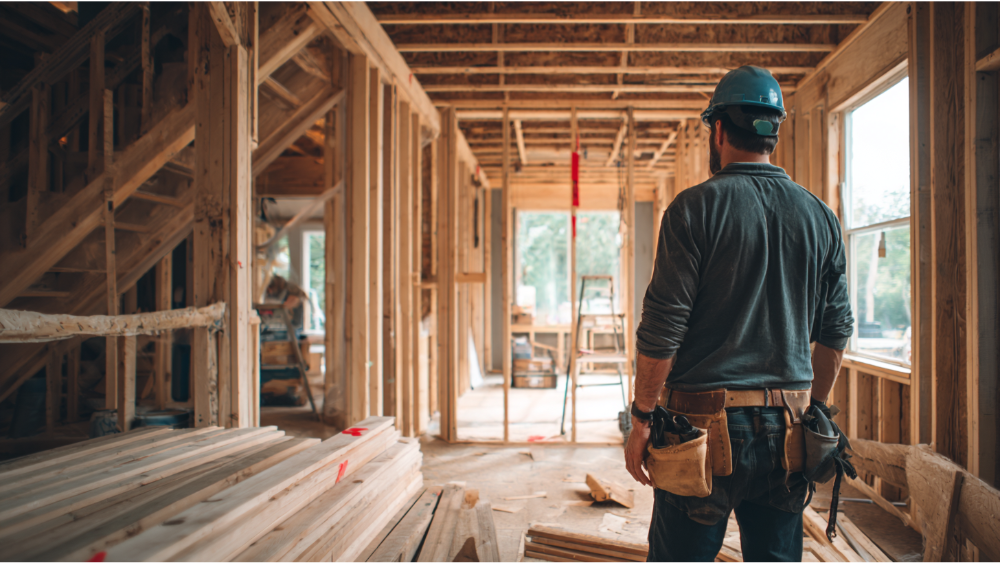
Failing an inspection is common during construction projects and does not necessarily indicate major problems.
Understanding Correction Notices
If violations are found, the inspector will issue a report listing the required corrections. Corrections may involve minor adjustments, additional safety measures, plumbing fixes, electrical revisions, or structural corrections. The contractor must fix all violations before requesting another inspection.
Reinspection Process
After corrections are completed, the contractor or homeowner can request another inspection through the local scheduling system. Many jurisdictions charge reinspection fees if multiple failed inspections occur.
Delays and Occupancy Impacts
Failed inspections can affect occupancy schedules, contractor availability, project timelines, construction sequencing, and final certificate approval. This is why careful preparation is vital during every inspection stage.
How to Prepare for a Successful Inspection
Homeowners and contractors can reduce inspection delays by following a preparation checklist before every inspector visit.
Inspection Preparation Checklist
Preparation involves keeping approved plans on site, preparing safe access routes, completing work before scheduling, verifying prior corrections were completed, keeping electrical and plumbing systems exposed, confirming safety requirements are met, submitting required documentation, and preparing for the final inspection in advance. Preparation helps inspectors complete the review process more efficiently.
Hire Experienced Professionals
Hiring experienced design and construction professionals can help homeowners avoid many common inspection problems. Qualified professionals help prepare code compliant plans, submit accurate permit documents, coordinate revisions, verify construction quality, reduce violations, and improve scheduling efficiency.
California Building Permit Inspection Considerations
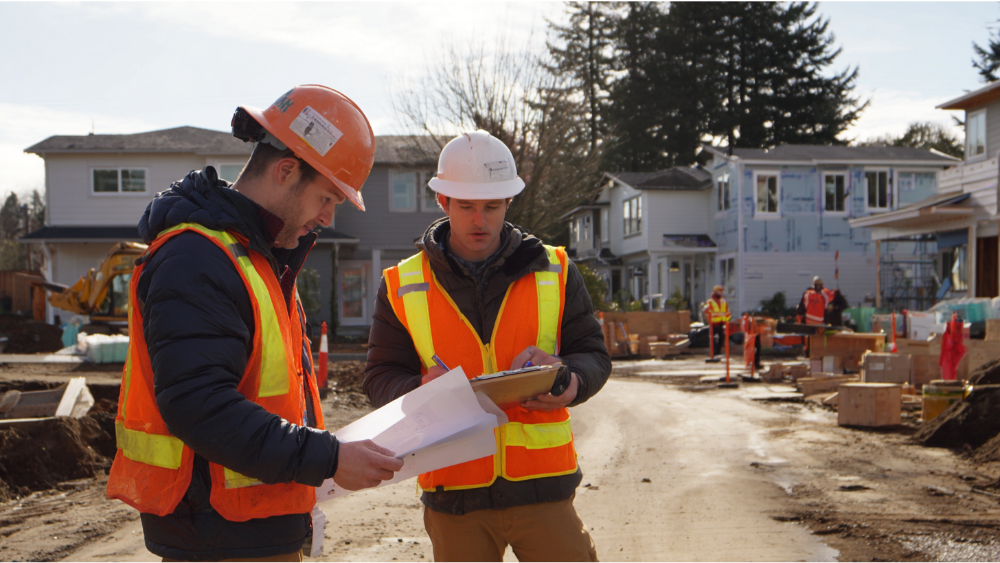
California building permits involve extensive safety standards and energy compliance requirements.
Updated Building Standards
The updated California building standards affect structural safety, energy efficiency, insulation requirements, fire protection, electrical systems, and plumbing systems. Inspectors verify compliance with these updated standards during every inspection visit.
Digital Scheduling and Online Systems
Many jurisdictions now use online systems for scheduling inspections, tracking permits, submitting revisions, downloading reports, and requesting approval. These online systems help streamline the building permit process.
Residential Inspection Requirements
Residential permit inspections often include multiple stages before occupancy approval can be granted. Typical residential stages include foundation inspection, framing inspection, electrical inspection, plumbing inspection, insulation inspection, and final inspection.
Why Proper Planning Matters
The inspection process becomes much smoother when homeowners, contractors, and engineers coordinate properly before construction begins. Proper planning helps verify code compliance, reduce violations, improve scheduling, prevent costly revisions, avoid delays, and obtain faster approval. A well-prepared project is more likely to pass inspection stages without major corrections.
Frequently Asked Questions About Building Permit Inspections
Frequently Asked Questions About Building Permit Inspections
How long does a building permit inspection usually take?
The duration of a building permit inspection varies depending on the size and complexity of the project. Inspections can take anywhere from 30 minutes to several hours.
Can I be present during the building permit inspection?
Yes, being present during the inspection is encouraged. It allows you to understand what the inspector is checking and address any immediate concerns or questions.
What happens if my building fails an inspection?
If your building fails an inspection, the inspector will provide a report detailing the violations or deficiencies. These issues must be corrected before scheduling a reinspection.
Do I need to have the approved plans and permit documentation on-site during the inspection?
Yes, having the approved plans and permit/inspection card available on-site is required. Inspectors use these documents to verify that the construction matches the approved specifications.
Are multiple inspections required for a single construction project?
Typically, yes. Most construction projects require several inspections at different stages such as foundation, framing, electrical, plumbing, mechanical, and final inspections.
Can I schedule a building permit inspection online?
Many jurisdictions offer online systems for scheduling inspections, submitting revisions, and tracking approval status, making the process more convenient and efficient.
Conclusion
Understanding what happens during a building permit inspection can help homeowners and contractors prepare for every stage of the building permit process. Building permit inspections exist to ensure safety, verify code compliance, and protect occupants throughout the life of the building. From foundation inspections to final inspection approval, every inspection helps verify that the project meets approved plans and current safety standards. Careful preparation, proper scheduling, and experienced professionals can help reduce violations and improve the overall permit inspection process. Whether you are planning a residential remodel, a custom house, an ADU, or a large construction project, working with qualified architectural and engineering professionals can make the entire process more efficient and help support smoother inspections from start to finish.