
10 Nov
- Golden State Digital Exchange
- Comment 0
What Is Grading in Construction? A Complete Guide for California Property Owners and Developers
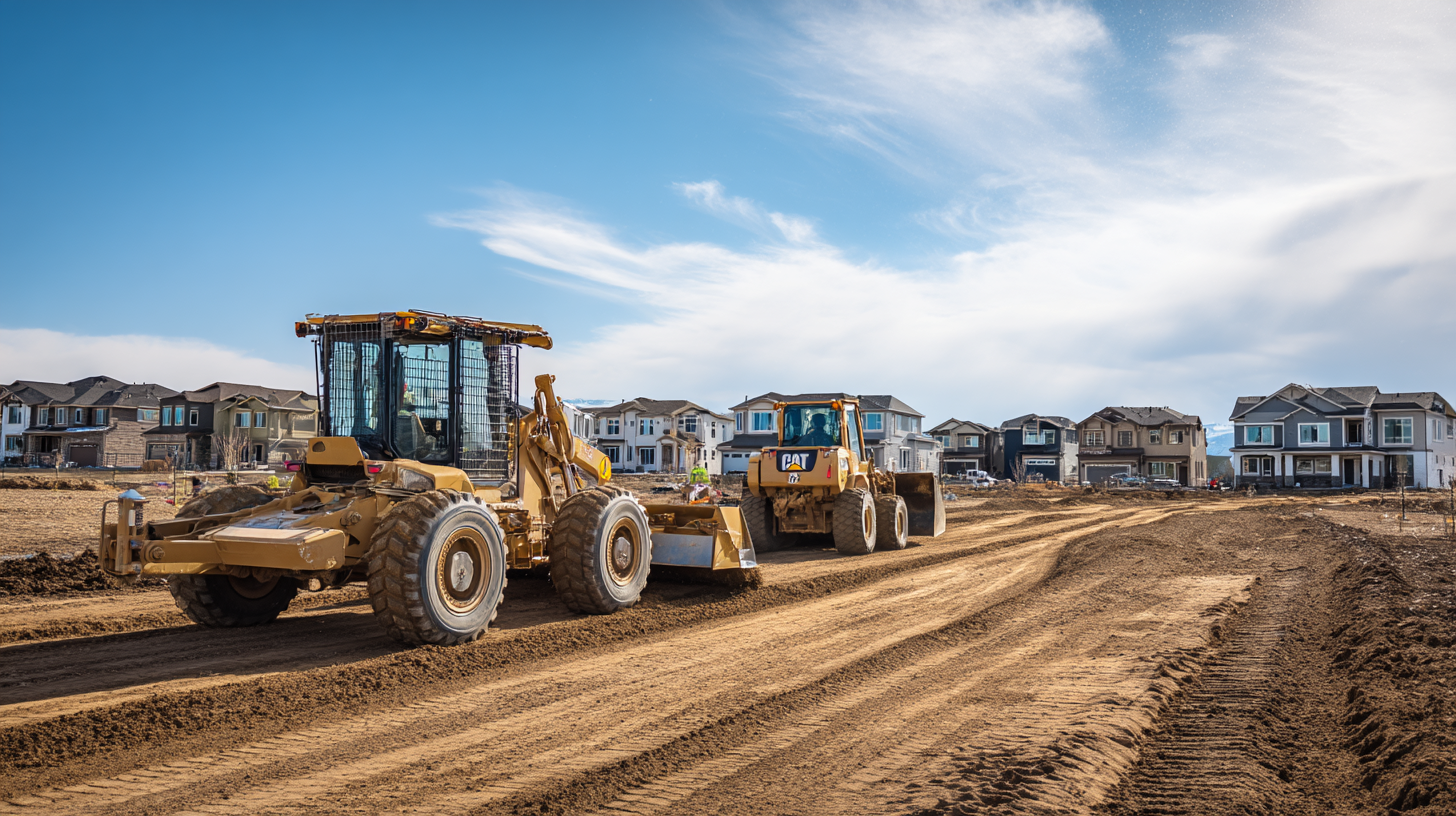
Grading in construction is one of the most critical, and often overlooked, steps in site preparation for any construction project. It involves reshaping, leveling, or sloping the ground in order to create a stable surface, ensure proper drainage, and ready the site for foundations, utility lines and landscaping. Whether you’re planning a custom home in Folsom, an ADU in San Jose, a multi‑family residence in Sacramento, a subdivision in Santa Rosa, or developing a commercial property, understanding what is grading in construction helps you set the stage for a successful construction project from the ground up.
Why Grading Matters in Construction Projects
The Role of Grading in Site Development
When we talk about what is grading in construction we mean the purposeful adjustment of elevations, slopes and contours so that your site is build‑ready. It is not just the base, it is the fundamental groundwork that supports the finished structure and everything built above it. Proper grading ensures the ground surface is prepared for structural loads, that water flows away from buildings and that driveways, patios, utilities and landscaping perform properly. It also plays a key role in meeting local zoning requirements such as structure coverage percentage, which dictates how much of your lot can be covered by buildings or other structures.
Common Risks of Poor Grading
If you skip or under‑invest in grading and site grading the consequences could be serious. Improper grading or land grading can lead to water pooling near foundations, erosion, uneven surfaces, settlement and structural damage. The risk of drainage issues increases, utility lines may be compromised, and neighboring properties can be affected. These problems drive up cost and risk and undermine the viability of a successful construction project.
Importance for California Projects
In California terrain is varied and regulatory oversight strong. Whether you’re building on uneven terrain, near slopes, or within a region prone to heavy rainfall or runoff, a good grading plan ensures proper drainage, soil stability, erosion control and code compliance. In many jurisdictions you’ll need approved grading plans and site grading plans before the construction process even begins. In short, proper grading is foundational to structural integrity, long‑term performance and permitting success.
Types of Grading Used in Construction

Rough Grading vs. Finish Grading
Rough grading shapes the site in broad strokes, it involves major earthwork, cut and fill, setting general elevations and preparing the construction site for structural elements. Finish grading comes later, it refines the surface, removes rocks and lumps, sets final elevations and contours, and prepares for paving, landscaping or utilities. A solid grading strategy will sequence from rough grading to finish grading to final grading, ensuring nothing is left to chance.
Cut and Fill Grading
Many projects require balancing cut and fill to minimize hauling, optimize soil use and reduce cost. Cut and fill grading is especially relevant in subdivisions, hillside lots and large site grading projects. The aim is to reuse on‑site material where possible and to achieve a stable finished grade. When done properly by a civil engineer and with a sound grading plan the result is a stable surface ready for foundations, slabs and landscaping.
Slope, Contour and Landscape Grading
Landscape grading and architectural grading involve shaping portions of the site for aesthetic appeal, outdoor usability and water management. For hillside lots or irregular terrain, grading strategies such as benching, contour lines and retaining walls are used. Landscape projects benefit when the grading in construction includes outdoor areas, yards, gardens, planting beds, so the final site looks and performs well.
Grading Process Step‑by‑Step

Step 1 – Site Survey and Assessment
Before any earth moves you must understand the existing grades, soil composition, drainage patterns and neighboring properties. A qualified civil engineer or land surveying team reviews soil conditions, slope, vegetation, underground utilities and existing structures. This stage sets the foundation for developing your grading plan for construction projects.
Step 2 – Grading Plan Development
With the assessment complete the next step is the grading plan. The grading plan shows contours, slope directions, cut/fill volumes, drainage routes, and specifies elevations and final grade levels. It ensures the project has proper grading strategy, proper drainage, compliance with agency requirements and a path to approved grading plans and site grading plans. It also helps ensure compliance with zoning requirements, including structure coverage percentage limitations, which are critical for both residential and commercial property developments.
Step 3 – Clearing, Earthwork and Compaction
Once the plan is approved the physical work begins. Clearing involves removing vegetation, debris and existing structures if necessary. Earthwork follows, heavy equipment moves soil to achieve rough grading shapes, cut and fill activities occur, soil is placed and compacted. Compaction is critical: a fill area not compacted properly can lead to settlement, uneven surfaces or structural issues.
Step 4 – Final Grading and Inspections
After the bulk earthwork, finish grading takes over. The contractor smooths surfaces, verifies elevations, sets final contours for landscaping or paving. The final grade is established and the site is ready for construction of the finished structure, utility lines, hardscape or landscaping. In many jurisdictions inspections verify that the grading meets the approved grading plans and that proper drainage is established.
Key Factors That Impact Grading Design

Soil Type and Geotechnical Conditions
Soil composition matters. Clay, silt, sand and rock all behave differently under load and with water. A civil engineer accounts for soil conditions when creating grading projects and grading plans reduce risk. A site with weak soil may require deeper fill, better compaction or even engineered fill to ensure the finished construction is stable.
Drainage Design and Stormwater Management
Ensuring proper drainage is a core outcome of grading in construction. The grading strategy must control water flow, avoid pooling, direct runoff away from the structure and integrate with utility lines and landscaping. A drainage plan is often integral to the grading plan and ensures water runoff is managed responsibly, protecting property and neighboring properties from damage or liability.
Site Slope and Retaining Walls
When dealing with uneven terrain or hillsides the grading strategy must include slope stability, benches, contour lines and sometimes retaining walls. In such cases architectural grading and land grading merge with structural concerns. Properly graded slopes reduce erosion, minimize uneven surfaces, and support foundations and other structures.
Budgeting for Earthwork and Efficiency
The costs of grading, soil removal, import/export, earthwork estimates, heavy equipment and compaction, are significant but avoidable when planned early. A good grading plan balanced cut and fill on‑site as much as possible, limits soil import/export and minimizes hauling cost. By integrating grading projects with overall design early you reduce risk and cost.
How GSDE Approaches Grading in Design and Engineering
Integrating Grading with Civil and Structural Plans
At Golden State Digital Exchange we treat what is grading in construction as more than earthmoving. Grading connects directly to foundation elevations, structural integrity, utility installations, and landscaping design. Our civil engineers coordinate grading plans, structural design and site development so your project flows without surprises.
Permit‑Ready Grading Plans
For any project in Sacramento, Folsom, El Dorado Hills, Santa Rosa or San Jose the approved grading plans are critical. We craft site grading plans that satisfy agency requirements, integrate with utility lines, property lines, drainage patterns and contours, and provide the documentation you need to move through the permitting process efficiently.
Sustainable and Site‑Sensitive Grading
Our approach to grading is consistent with our values of excellence, innovation, integrity and sustainability. We aim for site grading that respects natural topography, minimizes disturbance, retains natural drainage paths and enhances aesthetic appeal. When possible we incorporate landscape grading strategies that promote plant growth, support turf development and integrate into the finished construction rather than fighting it.
Grading for Common Project Types

Custom Homes and Hillside Construction
For homeowners building in a hillside region we apply grading strategies that work with the slope rather than against it. We set benches, contour lines and finished grade for driveways, patios and foundations so you achieve a strong and usable site. Proper grading here ensures the finished structure performs well, has aesthetic appeal, accommodates water flow correctly and integrates into the terrain.
ADUs and Backyard Units
In urban lots where space is tight we pay special attention to site grading for small accessory units. Good grading plans allow usable flat area, proper drainage, utility line access and finished structure support without compromising the main residence or landscaping project. Proper grading in construction means the entire site functions, structures, circulation and drain flow.
Multi‑Family and Subdivision Projects
In multi‑family housing developments or subdivisions the scale of grading projects increases. Multiple building pads, shared utilities, roadway slopes, landscape grading and stormwater conveyance all combine. Our team creates detailed grading plans, site grading strategies, contour lines and final grades for multiple lots and shared infrastructure so the entire project operates as a cohesive unit.
Commercial Property Development
Commercial property projects often have specific requirements regarding structure coverage percentage and parking lot slopes. Our grading plans ensure that commercial construction sites meet these zoning and regulatory standards while providing stable foundations and proper drainage. We tailor grading strategies to accommodate larger-scale infrastructure, including gravel roads, utility access, and stormwater management systems.
Frequently Asked Questions About Grading in Construction
How long does grading typically take?
The timing of a grading project depends on soil conditions, site access, equipment availability and weather. For a standard residential lot with minimal slope the grading process might take a few days for rough grading and a few more for finish grading. On a complex site with uneven terrain, utility coordination and extensive earthwork the process will take longer.
Do I need a permit for grading in California?
Yes. Many jurisdictions require a grading permit and submission of approved grading plans or site grading plans before earthwork begins. Grading that moves large volumes of soil or alters drainage patterns often triggers regulatory oversight. Having a civil engineer prepare your grading plan reduces risk and ensures compliance.
What’s the difference between excavation and grading?
Excavation involves digging to create voids, such as trenches for utility lines or basements, whereas grading involves shaping the ground surface to a specified final grade or slope. Grading is a broader concept in the construction process and is tied directly to grading plans, site preparation, final grading and drainage strategy.
Can I grade my own land without engineering help?
While minor landscape grading might be done without engineering, for any site grading on a building pad, hillside lot, multi‑family project or any development regulated by local agency, proper grading plans and civil engineering involvement are strongly recommended. Improper grading can cause structural damage, drainage problems, erosion and regulatory compliance issues.
What’s the typical cost of grading a residential lot?
Cost varies widely depending on soil type, amount of cut or fill, site access, equipment, compaction requirements and local rates. A flat residential lot with modest grading requirements may fall at the lower end, while an uneven hillside lot with extensive earthwork will be at the upper end. Early coordination and accurate earthwork estimates in the grading plan help set realistic budgets.
Ready to Break Ground? Start with Smart Grading
Grading is the unsung hero of any construction project. Done right, it prepares the site, facilitates water drainage, supports the finished structure, protects neighboring properties and keeps the schedule and budget on track. Whether you’re building a custom home in Sacramento, adding an ADU in San Jose, developing a subdivision in Santa Rosa, or constructing a commercial property, working with a team that understands both site grading and construction grading ensures a solid foundation for success.
At Golden State Digital Exchange we deliver grading plans that are smart, sustainable and integrated with your entire project. If you’re ready to move forward with a grading strategy that supports your vision, schedule and budget, contact us today and let’s get started on creating the groundwork for your successful construction project.