
01 Dec
- Golden State Digital Exchange
- Comment 0
Foundation Builds in California: What Homeowners and Developers Need to Know
Why the Foundation Is the Most Important Part of Your Build

Structural Load Support
A strong and durable foundation is the core of every successful construction project because its primary purpose is to support the entire structure above it. In California, where diverse soil conditions, sloped terrain, and seismic activity influence every stage of planning, choosing the right foundation type is critical. Whether you are constructing residential buildings, commercial buildings, or smaller structures like ADUs, the foundation must distribute weight evenly across the adjacent soil to prevent differential settling.
When the foundation is engineered to handle building loads safely, it provides a stable base that allows concrete walls, load bearing walls, electrical systems, and mechanical systems to perform as intended. As the brand responsible for delivering high quality foundation builds, GSDE ensures every concrete foundation or wood foundation system is backed by precise calculation, reinforced concrete detailing, and an evaluation of the soil type that the project depends on. This approach creates a long lasting foundation capable of supporting the entire footprint of the project.
Risk Mitigation in Seismic Zones
California’s seismic activity requires foundations that can withstand lateral movement, uplift forces, and shifting soil conditions. The state’s building codes require house foundation and building foundations to incorporate structural elements that ensure structural integrity during earthquakes. This is especially important for shallow foundations like slab foundations or spread footings, which must be carefully designed to prevent cracking and movement in unstable soil.
Deep foundations such as pier foundations or drilled shafts may be required in certain regions, especially where the bearing capacity of the adjacent soil varies depending on depth. By selecting the correct foundation type, engineers can create a durable foundation that distributes the entire load more effectively. Reinforced concrete with steel bars provides resilience during seismic events, and our team anticipates soil movement, frost heave concerns in colder climates, and groundwater issues when planning the system. The right foundation construction approach can significantly reduce long term risks and protect the entire structure throughout its lifespan.
Long Term Performance and Property Value
A poorly built foundation can compromise safety, performance, and property value. On the other hand, poured concrete systems, concrete footings, concrete masonry units, and well engineered slab foundations create consistent long term benefits. Cracks, settling, uneven floors, or moisture problems often stem from inadequate soil testing, poor grading, or using the wrong foundation type for local climate and terrain.
When GSDE designs foundations for residential homes or commercial buildings, we prioritize a deep understanding of soil conditions and structural load paths to prevent long term deterioration. A solid foundation improves the energy efficiency of a building, protects crawl spaces or basement foundations from excessive moisture, and helps maintain structural integrity for decades. For homeowners and developers concerned about long term cost savings, investing in a properly engineered foundation is one of the most cost effective decisions available.
Types of Foundations Commonly Used in California
Slab on Grade Foundations
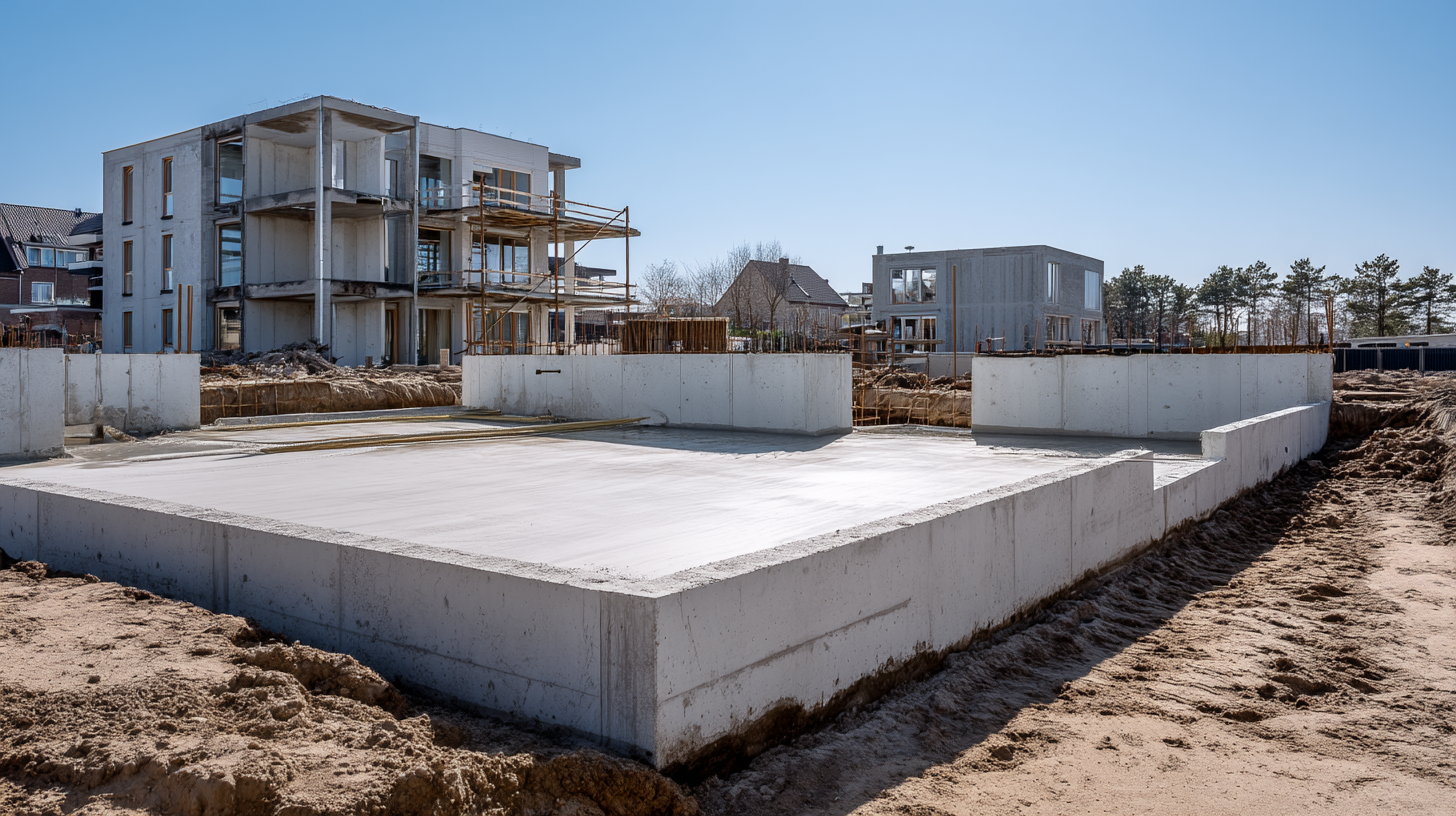
Slab foundations are one of the most common foundation types in California due to their adaptability to warmer climates and relatively straightforward construction process. A concrete slab foundation uses poured concrete placed on a prepared subgrade. Because concrete poured directly forms a single layer that serves as both floor and foundation, it requires careful leveling, a moisture barrier or vapor barrier, and dependable soil compaction.
Slab foundations are often used in residential buildings and smaller structures built on flat, stable sites with minimal frost line depth considerations. Although they provide a cost effective solution with reduced labor costs and shorter construction time, they offer limited access to plumbing and electrical systems after completion.
Raised Foundations or Crawl Space Foundations
Raised foundations, often referred to as crawl space foundations, elevate the structure above ground level and create crawl spaces that allow easier access for mechanical systems and storage space. A crawl space foundation is ideal for lots with mild slopes, areas with expansive soil, or locations where moisture control and ventilation are essential.
By using concrete footings and a combination of concrete masonry units, concrete walls, or wood foundations, raised foundations help protect the structure from water intrusion. These foundation types are popular in California regions with variable moisture levels or where soil conditions require more flexibility. Crawl space foundations also provide adaptability for future renovations and allow builders to integrate drainage pipes more efficiently.
Basement Foundations
Basement foundations, including both partial and full basement foundations, provide valuable living or storage space below ground level. Although basement foundations are less common in many California regions, they offer significant benefits when engineered correctly.
These systems require deep excavation of excavated soil, waterproofing membrane installation, a moisture barrier, and reinforced concrete walls designed to hold back adjacent soil. A basement foundation can be an excellent solution for areas with adequate drainage and stable soil type profiles. However, they demand careful engineering to prevent water intrusion, structural shifting, and frost line issues in colder climates. When designed properly, basement foundations offer additional square footage and strengthen the entire structure.
Pier and Grade Beam Foundations and Post Tension Systems
Pier foundations, pier and grade beam systems, and other deep foundations are essential for hillside construction, unstable soil, or locations where shallow foundations would not provide sufficient load bearing capacity. These systems support building loads by transferring the entire load into deeper, more stable soil strata. This is especially important when soil conditions vary depending on depth or when the ground surface includes severe slopes.
Pier foundations are engineered using reinforced concrete, drilled shafts, or grade beams that tie the system together. Post tension slabs, another advanced foundation construction method, use steel bars or cables that are tensioned after the concrete has cured. This creates a strong and durable foundation with superior crack resistance. These solutions are well suited for both residential buildings and commercial buildings in challenging terrains.
What Affects Foundation Design in California

Soil Conditions and Geotechnical Reports
Soil testing is a foundational step in the design process. Whether dealing with expansive clay, sandy loam, or compacted fill, soil type directly influences load bearing capacity and the design of concrete foundations. Soil conditions affect settlement risk, moisture retention, and the performance of concrete poured directly onto site.
Without a proper geotechnical report, builders risk selecting the wrong foundation type or misjudging the bearing capacity of the adjacent soil. At GSDE, every foundation build begins with a detailed review of soil conditions to ensure a stable base for the construction project.
Slope and Drainage
California contains a wide range of terrains, from flat urban lots to steep hillside properties. Proper grading, retaining walls, and drainage pipes must be integrated into the design to protect concrete foundations and crawl spaces. Sloped lots often require spread footings, strip footings, or pier foundations to stabilize the structure.
Drainage planning is essential to prevent water from pooling around concrete walls or entering crawl spaces. Incorporating these considerations ensures long term durability and reduces risk during heavy rain events.
Local Codes and Permitting
Permitting requirements vary depending on city and county jurisdictions across California. The type of foundation approved can depend on seismic zone classification, soil type, groundwater levels, and local climate factors.
Whether planning slab foundations, crawl space foundations, raft foundations, or deep foundations, the permitting process must confirm code compliance. GSDE streamlines this process by coordinating all documentation, calculations, and design drawings for efficient approval.
Structural Load Requirements
The entire structure’s stability depends on properly supporting building loads. Load bearing capacity, load bearing walls, and the distribution of weight evenly across concrete footings or spread footing systems are technical details that influence the final design. Foundation walls, reinforced concrete beams, and slab systems must work together to support the entire load.
Our engineering team analyzes these factors to create a strong and durable foundation that performs in California’s demanding environment.
The Foundation Build Process Step by Step
Site Surveying and Soil Analysis
Every foundation build starts with land surveying, string lines, elevation mapping, and soil testing. Understanding ground level variations and the composition of excavated soil ensures the right design choices are made before any construction begins.
Foundation Design and Engineering
Once soil conditions and site constraints are known, engineers design the concrete foundation system. This step involves selecting between shallow foundations, deep foundations, slab foundations, crawl space foundations, or basement foundations. Reinforced concrete, concrete footings, steel bars, and waterproofing membrane details are specified to ensure structural integrity.
Permitting and Approvals
After engineering is complete, the permitting team submits documents to local authorities. Permits for foundation construction, grading, erosion control, and structural work must be approved before pouring concrete can begin.
Excavation, Forming, and Pouring Concrete
Excavation marks the beginning of physical work. The builder removes excavated soil, prepares the subgrade, and installs forms. Pouring concrete must be completed with precision to create poured concrete systems that resist cracking.
Whether forming a concrete slab foundation, spread footing, or pier system, proper curing and moisture control are essential tools that support long term performance.
Final Inspection and Ready for Framing
Once the concrete has cured, inspectors evaluate the foundation for compliance. After approval, the construction project moves into framing and vertical construction.
Common Foundation Issues in California and How to Avoid Them

Cracking or Settling
Cracks often result from poor soil testing, inadequate compaction, or incorrect foundation type selection. Proper engineering prevents settlement and protects the concrete foundation from long term damage.
Improper Drainage
Without moisture control, drainage pipes, and proper grading, water can deteriorate concrete masonry units or concrete walls. This risk is especially high in crawl spaces.
Code Violations or Permitting Delays
Foundation walls, retaining walls, slab thickness, and spread footings must meet specific code requirements. GSDE minimizes delays by ensuring accurate submittals.
Selecting the Wrong Foundation Type
Choosing between shallow foundations, deep foundations, raft foundations, or crawl space foundations requires professional evaluation. Soil type, slope, and load bearing demands guide the correct decision.
Why Work with GSDE for Your Foundation Build
Integrated Services Under One Roof
GSDE combines architecture, civil engineering, structural engineering, land surveying, and permitting to guide the entire construction project with continuity.
Local California Expertise
Our familiarity with California soil conditions, local climate, frost line depth concerns, and regional permitting gives clients confidence in every phase of foundation construction.
Commitment to Quality, Safety, and Sustainability
We focus on creating a long lasting foundation that supports the entire structure with reinforced concrete, proper moisture barrier systems, and cost effective material selection.
FAQs – Foundation Builds in California

How much does a foundation build cost in California?
Costs vary depending on soil conditions, foundation type, excavation needs, and design details. Slab foundations or shallow foundations are typically less expensive than basement foundations or pier foundations.
How long does foundation construction take?
Construction time usually ranges from four to six weeks depending on permitting, soil type, and weather.
Do I need a permit for my foundation?
Yes, permits are required for all foundation builds, including slab foundations, crawl space foundations, and basement foundations.
What foundation type is best for hillside lots?
Pier foundations, pier and grade beam systems, and deep foundations are typically used because they handle load bearing requirements on sloped terrain.
Can I upgrade or reinforce an existing foundation?
Yes, upgrades such as reinforcement, moisture control improvements, and structural evaluations can support aging buildings.
Get Started with GSDE Today
GSDE delivers foundation builds that protect your investment and support your long term construction goals. With integrated design, engineering, surveying, and permitting, we create concrete foundations and foundation walls that support the entire load safely and efficiently. Contact us to begin planning your next construction project and build with confidence on a stable base.