

Partnered with #1 ADU Builders
18 May
- Golden State Design & Engineering
- Comment 0
What Factors Influence Residential Architectural Layouts in California?
Designing residential architectural layouts involves much more than arranging walls, rooms, and windows. The layout shapes how a family interacts with their home, impacts energy efficiency, determines natural light and ventilation, and influences construction feasibility. Good residential architecture carefully balances functionality, aesthetic appeal, and code compliance while considering lifestyle, site characteristics, and long-term adaptability. Understanding what factors influence residential architectural layouts is essential for homeowners who want a well-designed house that meets their everyday life needs, supports modern living, and enhances overall value. Residential architects play a critical role in guiding these decisions to create functional, aesthetically pleasing, and energy-efficient spaces.
The Homeowner’s Lifestyle and Daily Routine

One of the most important factors influencing residential architectural layouts is how homeowners plan to use their living spaces. Residential design is increasingly focused on flexible spaces that accommodate a variety of daily activities, creating a harmonious blend of public and private areas. Open floor plans remain popular for shared living spaces, but private rooms for work, study, or relaxation are essential.
Family Size and Household Composition
The size and composition of a household strongly affect floor plans. Homes for multi-generational families often include separate bedrooms, flexible spaces, and additional bathrooms, while smaller households may emphasize communal living spaces. Flexible spaces can adapt to changing needs, allowing a single room to serve as an office, guest room, or play area. Incorporating storage solutions and efficient circulation patterns enhances functionality while reducing clutter.
How People Use Their Homes
Residential architects consider how homeowners spend their day-to-day living to create spaces that support their routines. Kitchens, dining rooms, and living spaces are designed for easy movement and visual appeal. Indoor and outdoor spaces are increasingly integrated to promote indoor-outdoor living, extend usable areas, and provide connection to the surrounding environment. Large windows, natural light, and ventilation are essential design elements that make spaces bright and inviting. Strategic placement of living spaces maximizes sunlight exposure while minimizing energy costs.
Future-Proofing Residential Layouts
Layouts must accommodate evolving lifestyle needs, including aging-in-place design and long-term resale considerations. Wider hallways, adaptable bathrooms, and flexible spaces ensure a home remains functional for decades. Residential architectural design also considers the potential for adding ADUs or expansions, allowing homeowners to adapt the built environment to changing household needs.
Lot Size, Shape, and Site Conditions
The characteristics of a residential property, including site characteristics, lot size, and topography, play a significant role in layout planning. Residential architects analyze site conditions to determine the optimal placement of structures, outdoor spaces, and circulation patterns.
Property Dimensions and Setbacks
Local building codes establish setbacks, height limits, and lot coverage, defining the buildable area. Irregular lots or urban infill sites require creative floor plans that maximize usable space while remaining compliant. Site analysis is essential to ensure the proposed layout harmonizes with the surroundings and optimizes natural light and ventilation.
Topography and Grading
Slope and elevation changes influence construction techniques and layout options. Homes on sloped lots may feature split-level designs, vaulted ceilings, retaining walls, or stepped foundations. Proper grading ensures drainage, prevents erosion, and maintains structural stability. Residential architectural design integrates these considerations to create a visually appealing and functional home.
Orientation and Natural Light
Orientation strongly affects sunlight exposure, daylighting, energy efficiency, and the comfort of living spaces. Large windows and open floor plans allow natural light to penetrate deeper into the home, reducing reliance on artificial lighting. Strategic placement of living spaces, bedrooms, and outdoor areas enhances solar gain in cooler months while minimizing heat gain during summer, contributing to overall energy efficiency.
Access, Utilities, and Easements
Driveway placement, utility access, and existing easements influence the layout and footprint of a home. Site analysis helps residential architects design functional circulation patterns and outdoor spaces without compromising structural integrity or code compliance. These considerations are essential to streamline the construction process and ensure the final design meets both practical and aesthetic goals.
California Building Codes and Local Zoning Regulations

Residential architectural layouts must comply with local building codes, zoning ordinances, and state-level regulations. Compliance is an essential aspect of residential design that affects room sizes, ceiling heights, egress, energy efficient systems, and structural elements.
State Building Codes
The 2025 California Building Standards Code influences nearly all aspects of residential layouts, including fire safety, structural design, ventilation, accessibility, and energy efficiency. Residential architects must design floor plans that meet these codes to avoid costly revisions and permit delays. Incorporating energy efficient features, sustainable materials, and natural light enhances both comfort and compliance.
Local Jurisdiction Requirements
Zoning regulations, height restrictions, and design review boards shape architectural style and site utilization. HOAs and local agencies may require certain architectural elements or aesthetic appeal considerations, influencing how indoor and outdoor spaces are arranged. Compliance ensures smoother approval processes and minimizes conflicts during the construction process.
ADU and Multi-Family Regulations
California’s ADU laws encourage additional living spaces, requiring separate entrances, utility coordination, and fire-rated assemblies. Residential architects integrate these features while maintaining privacy and functionality for all occupants. Efficient layouts that comply with code requirements enhance livability and maximize property value.
Early Code Analysis
Conducting code review during early design phases is essential. This approach allows residential architects to identify potential challenges, optimize floor plans, and enhance the efficiency of the permitting process. A well-considered design reduces construction delays, minimizes revisions, and creates spaces that are functional and energy efficient.
Structural Engineering and Construction Feasibility
Floor plans must align with structural realities. Structural systems influence ceiling heights, room sizes, wall placement, and large open areas. Residential architects collaborate with structural engineers to ensure that form meets function while maintaining aesthetic appeal and safety.
Structural Systems Influence Layouts
Load-bearing walls, beams, columns, and shear walls determine how open a home can be. Features like vaulted ceilings or expansive living spaces require careful consideration of materials and construction techniques. Integrating structural elements into floor plans ensures a safe and buildable home.
Construction Budgets and Feasibility
Layouts must balance design aspirations with construction costs. Simplified rooflines, modular materials, and efficient floor plans reduce expenses without compromising the overall quality or aesthetic appeal. Residential architects consider modern materials, construction techniques, and energy efficient systems to optimize budgets and long-term value.
Coordination Between Disciplines
Collaboration between architects, engineers, and surveyors ensures that residential layouts are feasible, sustainable, and structurally sound. Integrated planning enhances the construction process, minimizes redesigns, and maintains a harmonious blend of architectural style and function.
Seismic Design Considerations
California’s seismic activity requires that structural systems are carefully planned. Shear walls, foundation design, and lateral bracing influence room placement and circulation patterns. Residential architects integrate these requirements seamlessly into layouts while maintaining energy efficiency and aesthetic appeal.
Energy Efficiency and Sustainability Goals
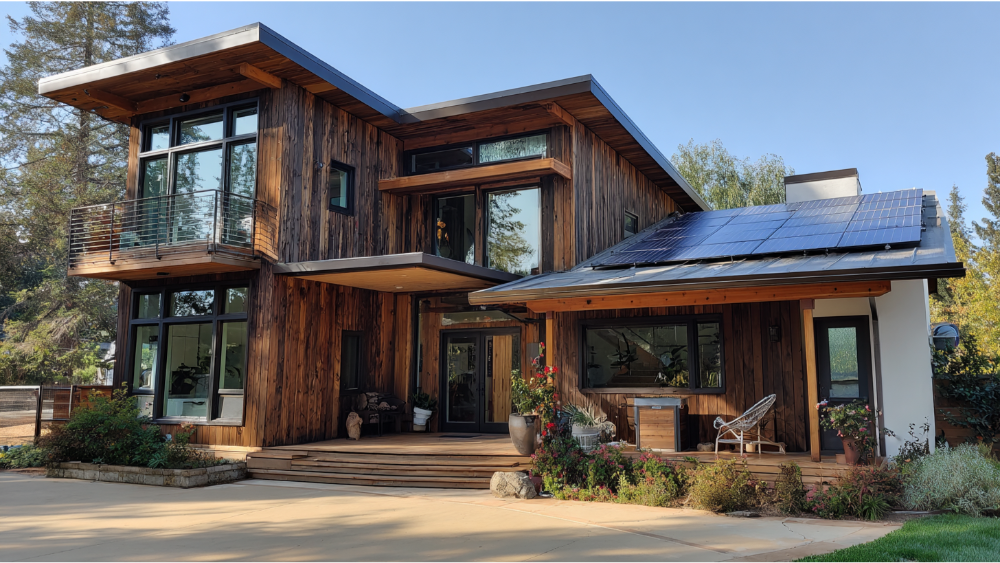
Energy efficiency and sustainable design practices are now essential aspects of residential architecture. Incorporating energy efficient technologies, solar panels, passive design strategies, and sustainable materials reduces energy consumption and long-term environmental impact.
Energy Code Compliance
California’s energy codes dictate mechanical system requirements, insulation standards, and ventilation strategies. Residential architects plan layouts to optimize natural light and airflow, support energy efficient systems, and accommodate energy efficient features such as heat pumps and smart home technology.
Passive Design and Natural Light
Maximizing natural light and ventilation reduces reliance on artificial lighting and energy consumption. Large windows, strategic placement of living spaces, and careful orientation contribute to energy efficient and healthy indoor environments. Residential architectural design uses sunlight exposure to enhance comfort while supporting sustainability.
Sustainable Materials and Practices
Sustainable materials, modern materials, and environmentally responsible construction techniques reduce maintenance and environmental impact. Rooftop gardens, green roofs, and durable finishes contribute to a visually appealing home while supporting energy efficiency and sustainable design.
Smart Home Technology Integration
Integrating smart home technology allows homeowners to monitor energy use, control HVAC and lighting systems, and maintain a comfortable, energy efficient living environment. Early planning ensures that these systems are seamlessly incorporated into residential architectural layouts.
Privacy, Noise Control, and Interior Flow
Well-designed residential layouts separate public and private areas, creating quiet zones for bedrooms, offices, and personal spaces. Efficient circulation enhances functionality and supports storage solutions while open floor plans facilitate natural light flow and visual connections between living spaces.
Public vs. Private Spaces
Balancing shared living spaces with private zones enhances daily living. Bedrooms, offices, and private living areas should be strategically located away from high-traffic areas to improve comfort, acoustic control, and privacy.
Acoustic Considerations
Noise control is vital for homes with home offices or multi-generational living. Residential architects incorporate buffer zones, mechanical separation, and sound-absorbing materials to create a peaceful living environment.
Efficient Circulation and Storage
Floor plans that minimize hallways and maximize usable areas improve energy efficiency, create clutter free environments, and enhance functionality. Integrated storage solutions support day-to-day living and maintain a clean and organized home.
Indoor and Outdoor Living Spaces

Indoor and outdoor spaces are increasingly popular in California residential architecture. Outdoor living areas such as patios, courtyards, and rooftop gardens extend the usable area of a home while connecting it to the surrounding environment. Residential architects use natural beauty, large windows, and architectural style to create designs that integrate indoor and outdoor spaces.
Outdoor Living and Site Connection
Outdoor spaces enhance lifestyle by providing areas for entertainment, relaxation, and recreation. Aligning outdoor living with indoor spaces creates seamless flow and maximizes usability.
Regional Climate Considerations
California’s climate influences design trends, outdoor spaces, and the placement of living areas. Northern and southern California require different shading, ventilation, and energy efficient features to ensure comfort year-round.
Visual and Environmental Impact
Residential architects design homes that harmonize with the surrounding environment, balancing aesthetic appeal, natural beauty, and sustainable practices. This careful consideration enhances both visual appeal and environmental impact.
Technology and Modern Residential Design Trends
Modern architecture integrates smart home technology, wellness-focused design, and energy efficient systems. Residential architects use technology advances to enhance functionality, create spaces that are adaptable, and optimize energy consumption while maintaining aesthetic appeal.
Smart Home Technology and Automation
Smart home technology allows homeowners to control lighting, HVAC, security, and energy efficient systems. Early integration in residential architectural design ensures seamless operation and energy efficiency.
Wellness-Focused and Flexible Spaces
Design trends increasingly prioritize natural light and ventilation, quiet zones, and flexible spaces for remote work, exercise, or hobbies. Incorporating these design elements improves overall living environment quality.
Sustainability and Energy Efficiency
Energy efficient technologies, sustainable materials, and energy efficient systems are essential aspects of modern residential design. Rooftop gardens, green roofs, and solar panels enhance energy efficiency and reduce environmental impact.
Budget and Construction Considerations

Residential layouts must balance design aspirations with construction budgets and timelines. Efficient layouts, smart use of materials and construction techniques, and early collaboration with residential architects enhance buildability, reduce costs, and improve energy efficiency. Careful consideration of floor plans, architectural style, and living spaces allows homeowners to achieve a well designed house within budget.
Frequently Asked Questions
What factors influence the design of residential architectural layouts?
Residential architectural layouts are influenced by various aspects including the homeowner’s lifestyle, site conditions, local building codes, structural feasibility, energy efficiency goals, and environmental factors. These elements collectively shape the functionality, aesthetics, and sustainability of a home.
How do environmental factors impact residential project layouts?
Environmental factors such as sunlight exposure, prevailing winds, topography, and soil conditions play a crucial role in determining the placement and orientation of building houses. Proper consideration of these factors enhances natural light, ventilation, and energy efficiency.
Why is site assessment important in residential architectural design?
A thorough site assessment helps architects understand the lot’s size, shape, topography, and environmental influences. This information guides the optimal placement of structures, outdoor spaces, and circulation, ensuring a harmonious and functional residential project.
How do building codes affect residential architectural layouts?
Building codes regulate aspects like room sizes, ceiling heights, fire safety, and setbacks. Compliance with these regulations ensures that the home is safe, legal, and functional, while also influencing the overall layout and design possibilities.
What role do kitchen cabinets and storage solutions play in residential design?
Kitchen cabinets and innovative storage solutions are essential for maximizing usability and organization within a home. Thoughtful integration of these elements enhances daily living convenience and contributes to a clutter free environment.
How can residential architects enhance energy efficiency in home layouts?
Residential architects incorporate sustainable materials, passive design strategies, and energy efficient systems such as solar panels and high-performance windows. These features reduce energy consumption and utility costs while supporting environmentally responsible building houses.
Conclusion
What factors influence residential architectural layouts? They include lifestyle needs, site characteristics, natural light and ventilation, structural feasibility, local building codes, energy efficiency, sustainable materials, and the integration of indoor and outdoor spaces. Residential architects bring expertise in architectural design, floor plans, materials and construction techniques, and sustainable practices to create spaces that are functional, visually appealing, energy efficient, and adaptable. Every well designed house combines aesthetic appeal, energy efficient features, flexible spaces, and thoughtful architectural elements to improve everyday life. Understanding these factors ensures that form meets function, natural beauty is optimized, and homes are comfortable, efficient, and visually appealing for decades to come. Residential architectural design that carefully integrates these considerations supports energy efficient systems, sustainable design, clean lines, large windows, and clutter free living spaces, creating harmonious blends of modern materials, architectural style, and the surrounding environment. By collaborating with experienced residential architects, homeowners can successfully navigate the design process, maximize energy efficiency, and build houses that reflect both lifestyle and aesthetic priorities.
#NAICS’s:
- 541310 Architectural Services &
- 541330 Engineering Services
DUNS NO:
- 119132267
#SIC’s
- 8712 Architectural Services &
- 8711 Engineering Services
Cage #
- 9R4L5
#UNSPSC’s:
- 81101500, 81101502, 81101505, 81101508, 81101526, 81101533, 81101522